


Vegan Chocolate
Filters
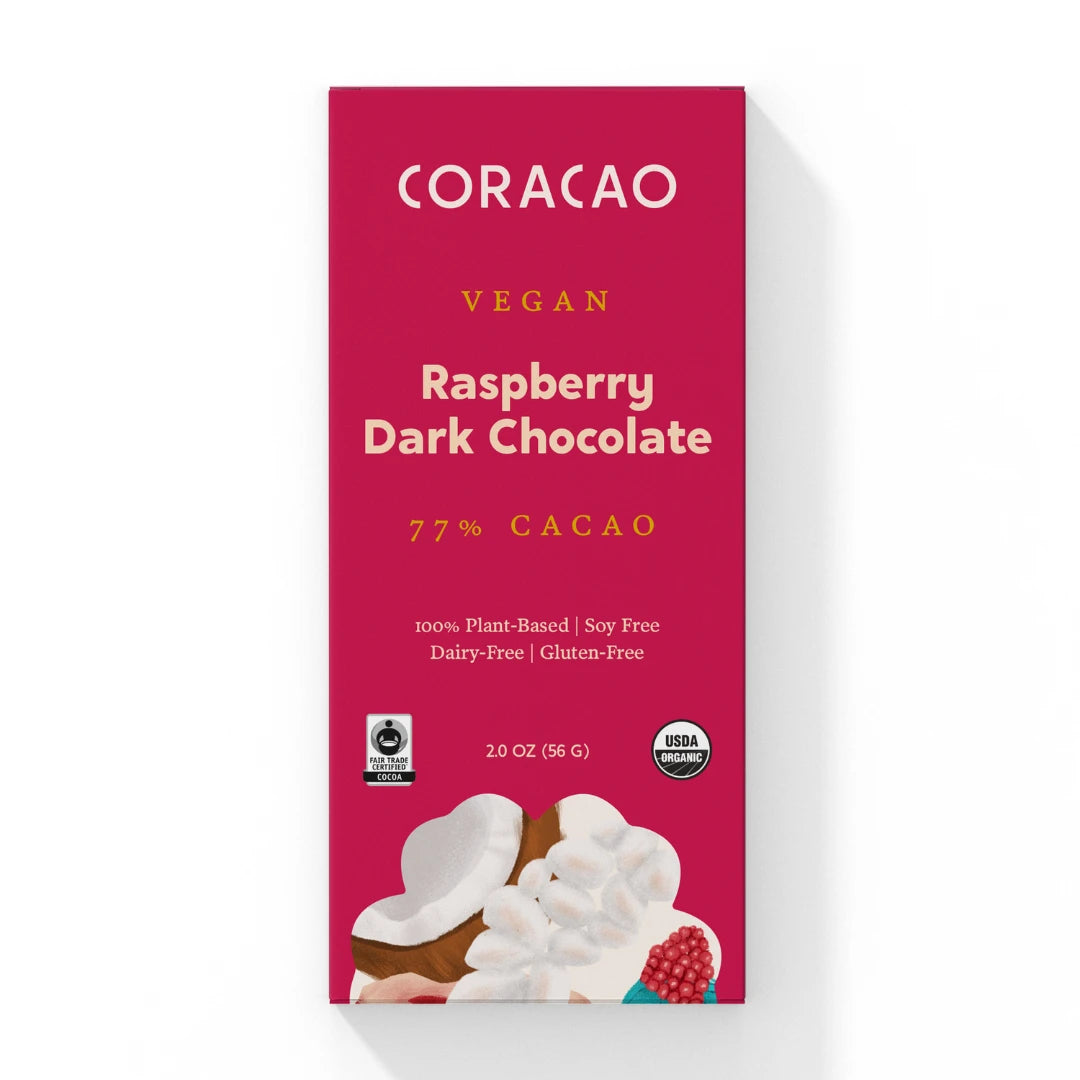
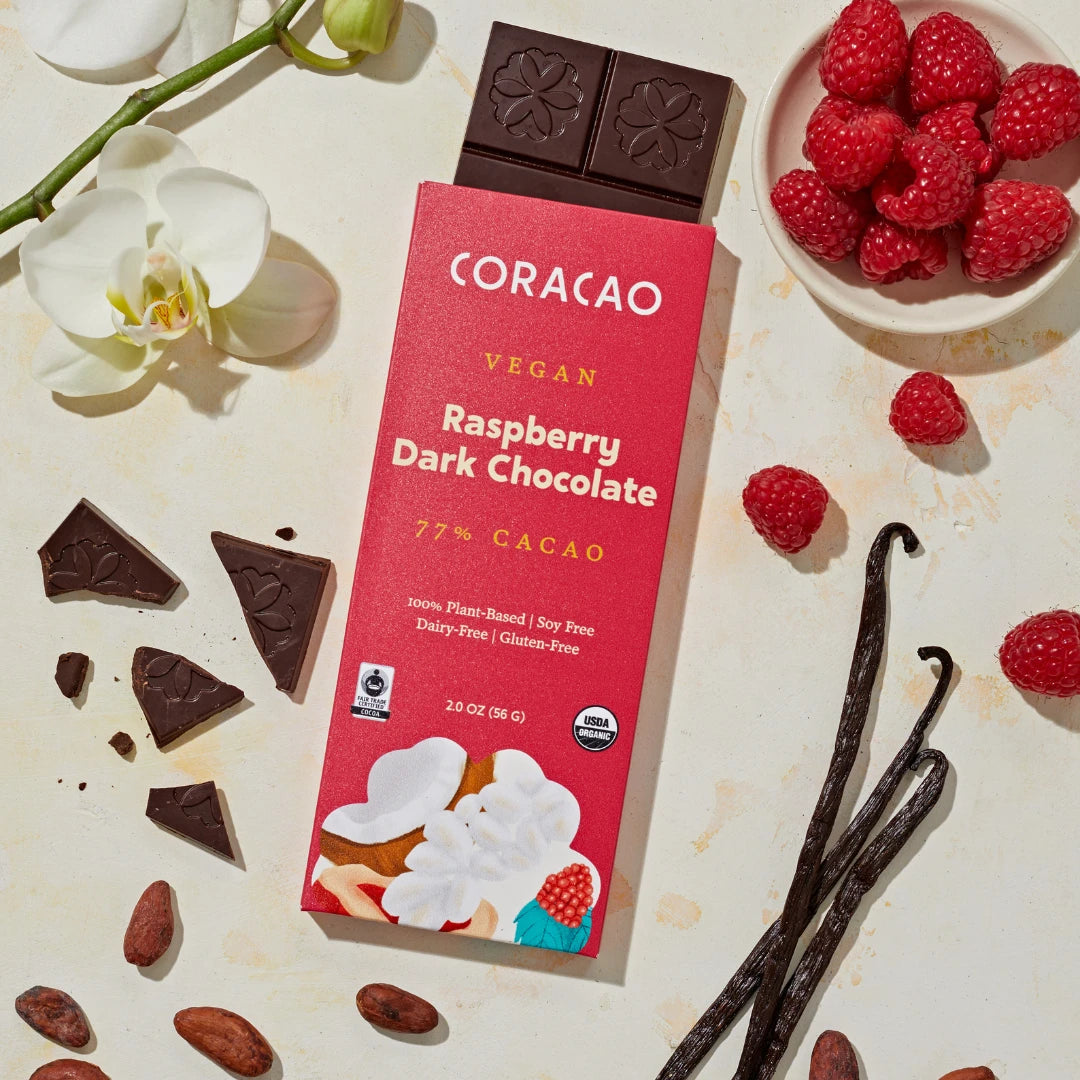
Dark Raspberry Vegan Chocolate
Sale priceFrom $6.50
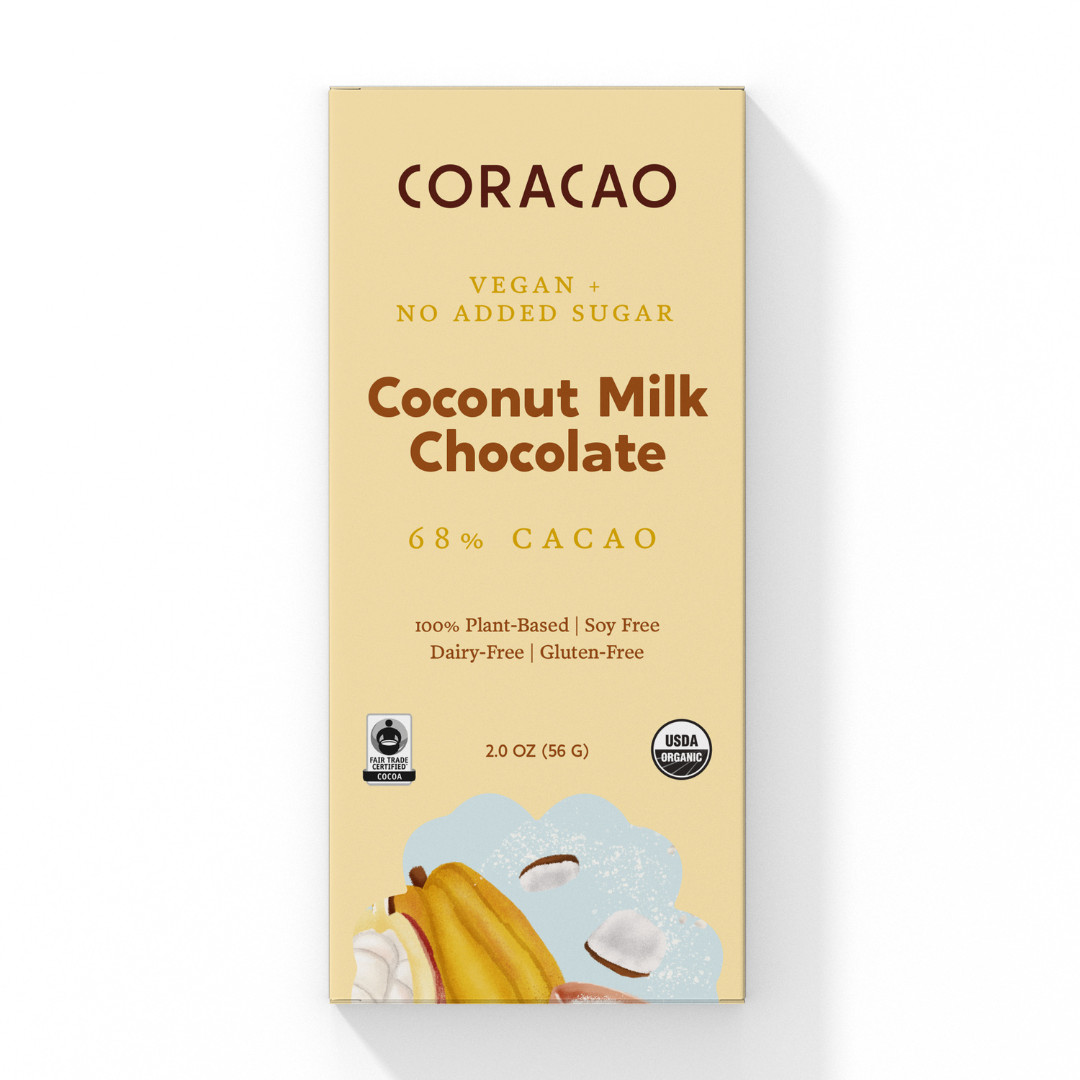
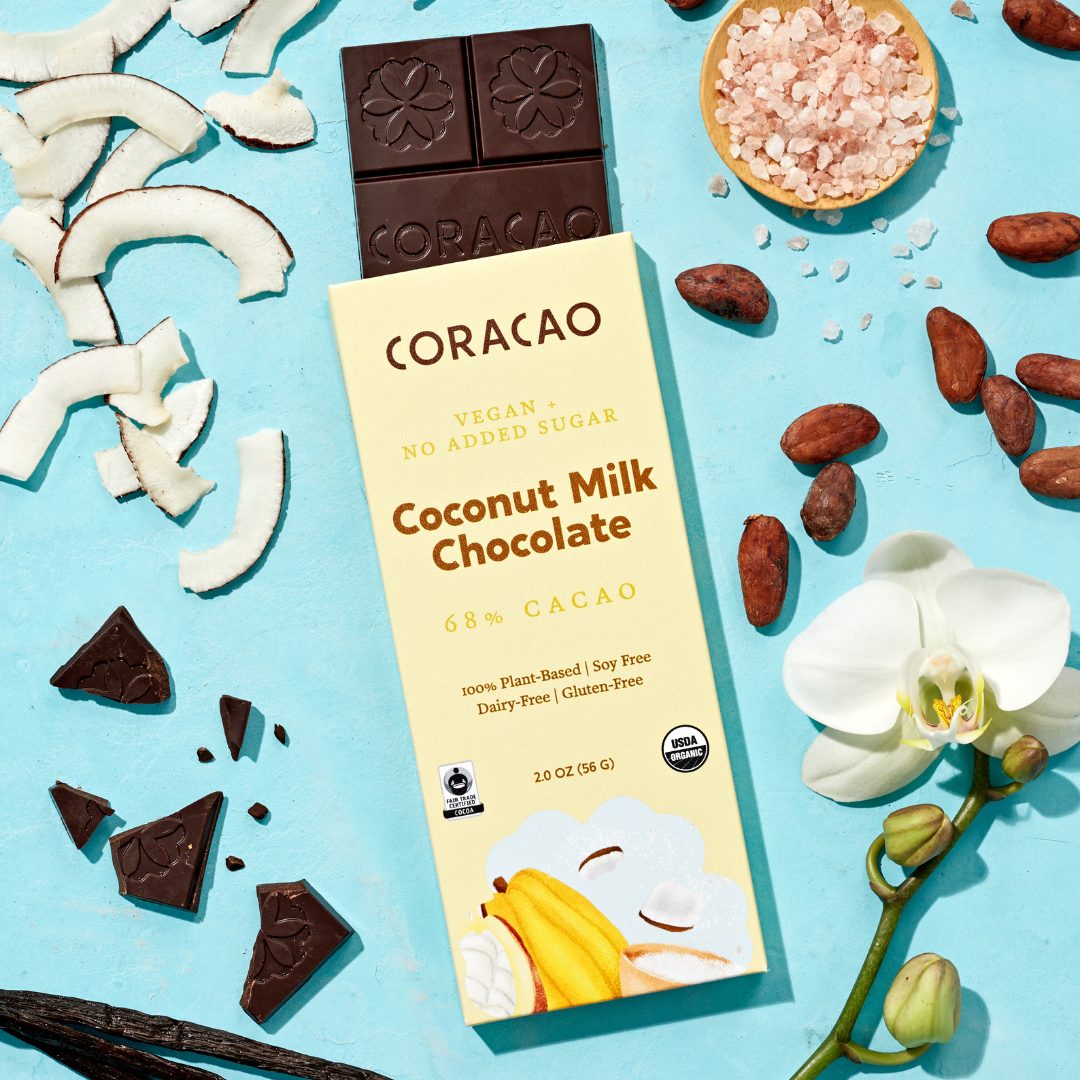
Coconut Milk Sugar Free Chocolate
Sale priceFrom $6.50
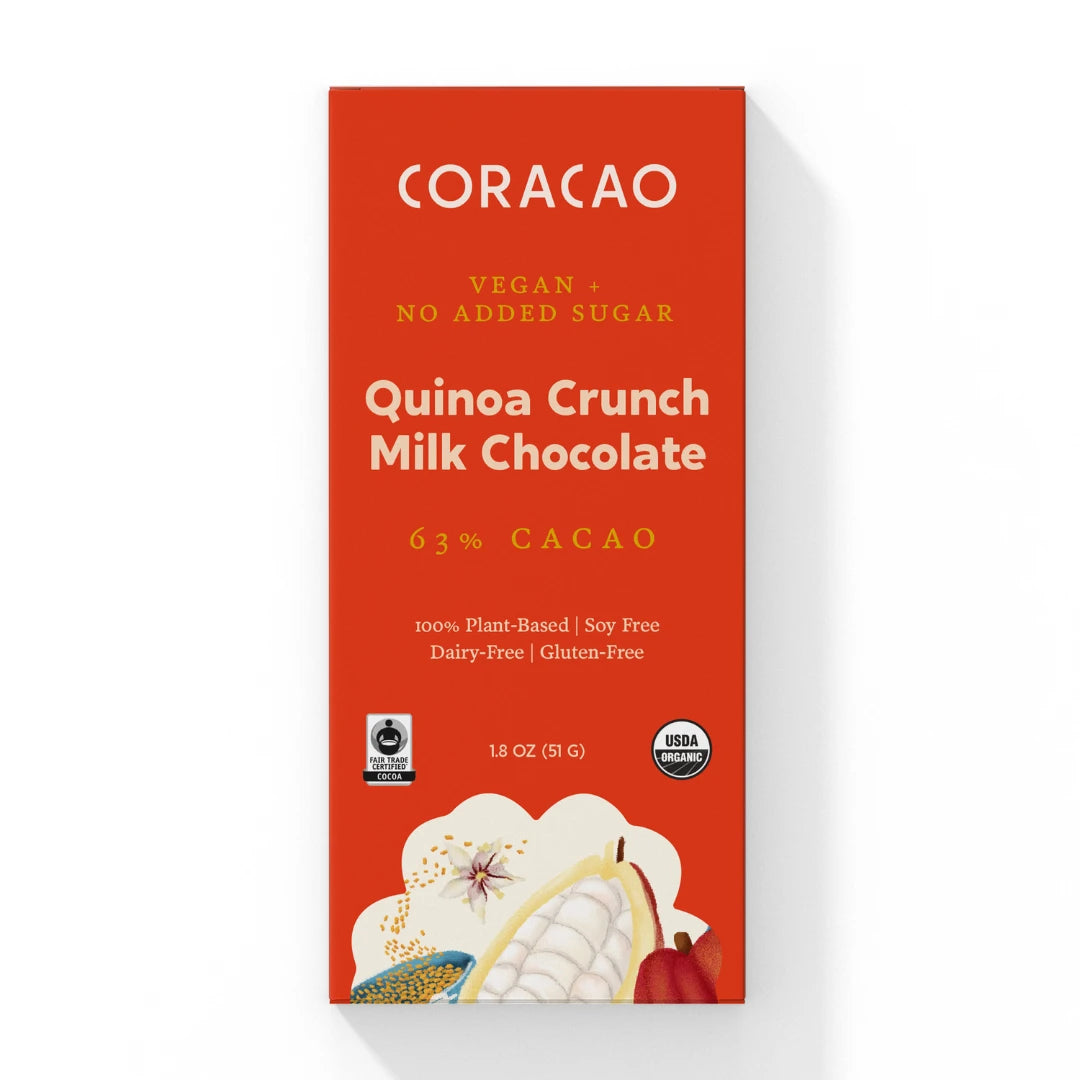
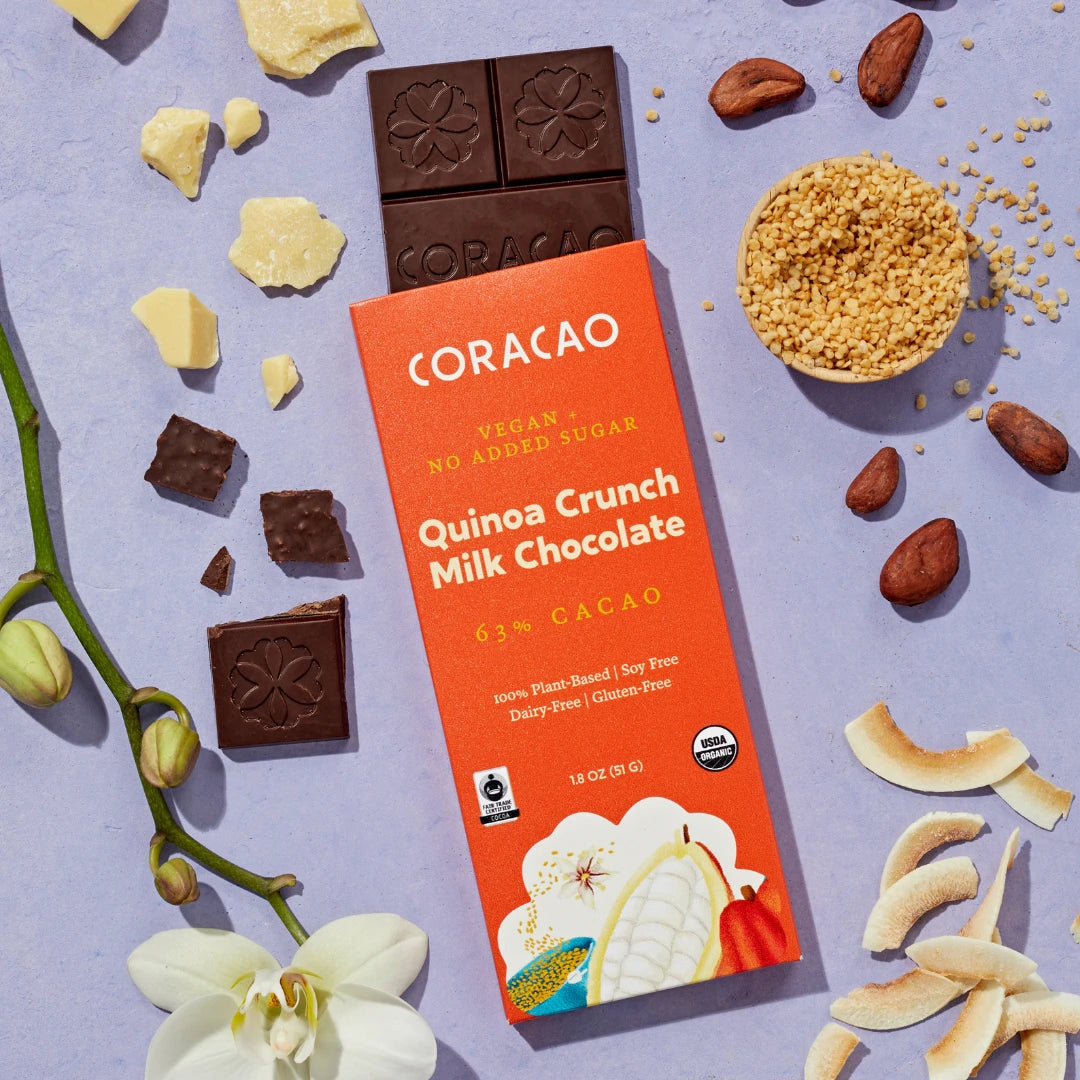
Quinoa Crunch Sugar Free Milk Chocolate
Sale priceFrom $6.50
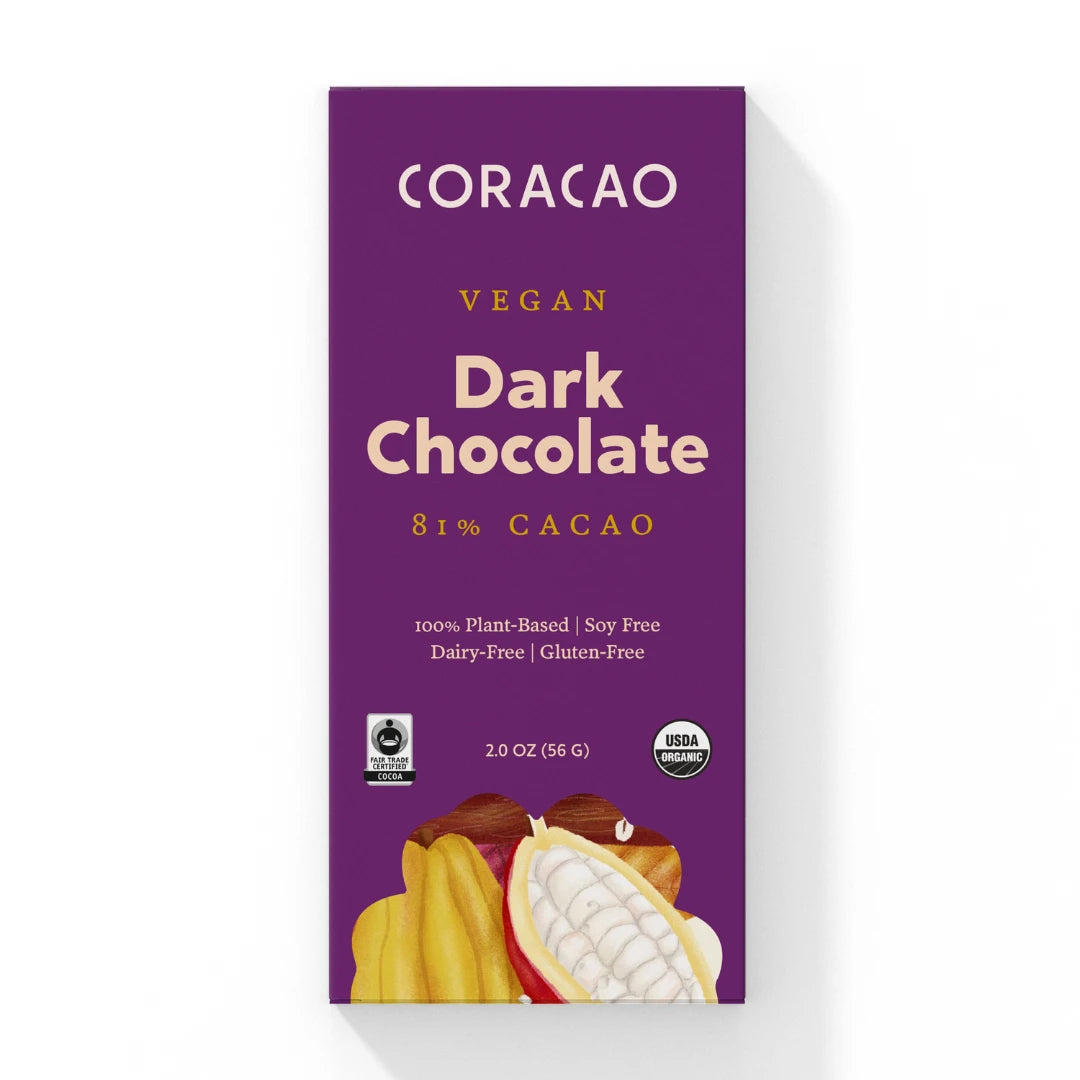
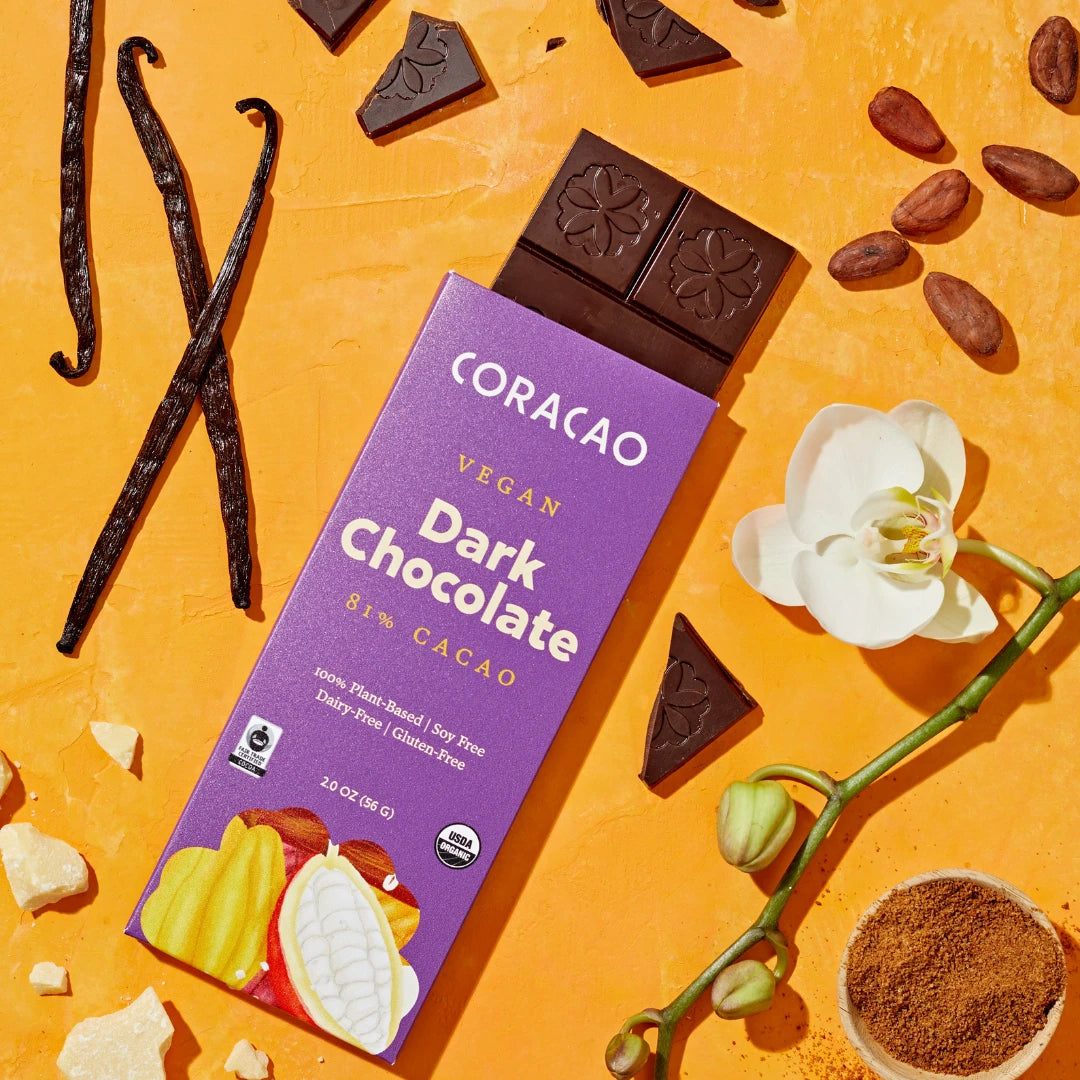
Vegan Dark Chocolate 81%
Sale priceFrom $6.50
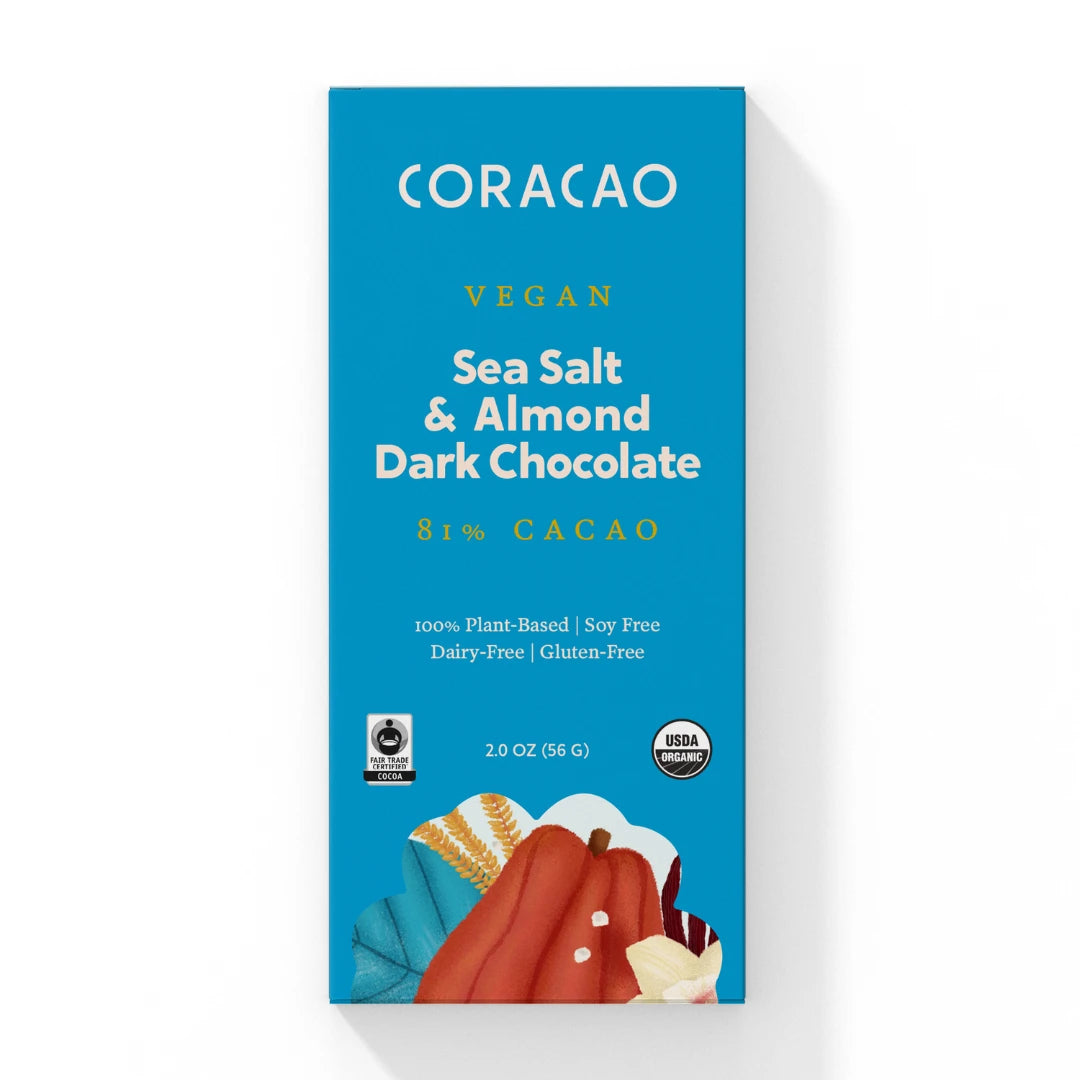
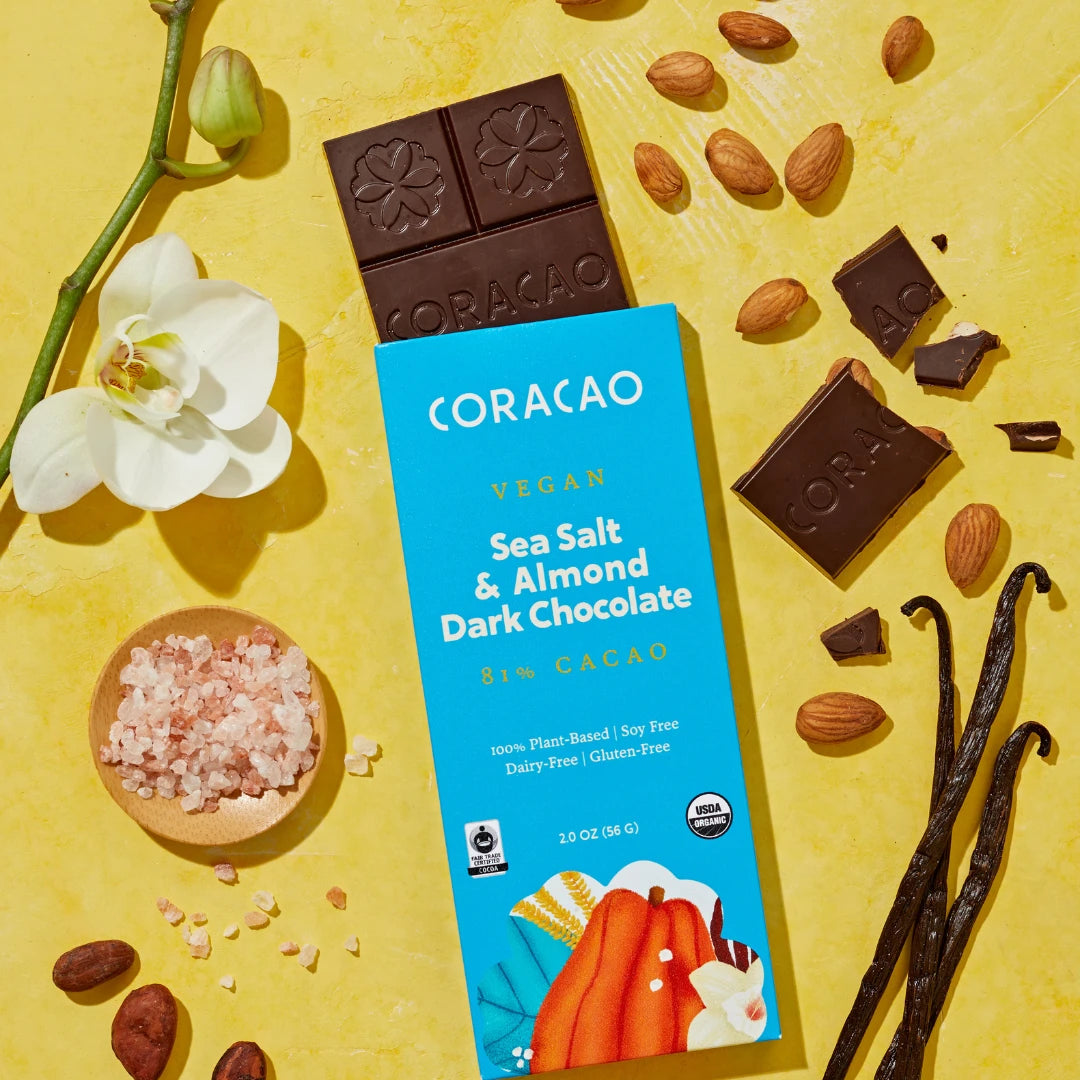
Sea Salt & Almond Vegan Chocolate 81%
Sale priceFrom $6.50
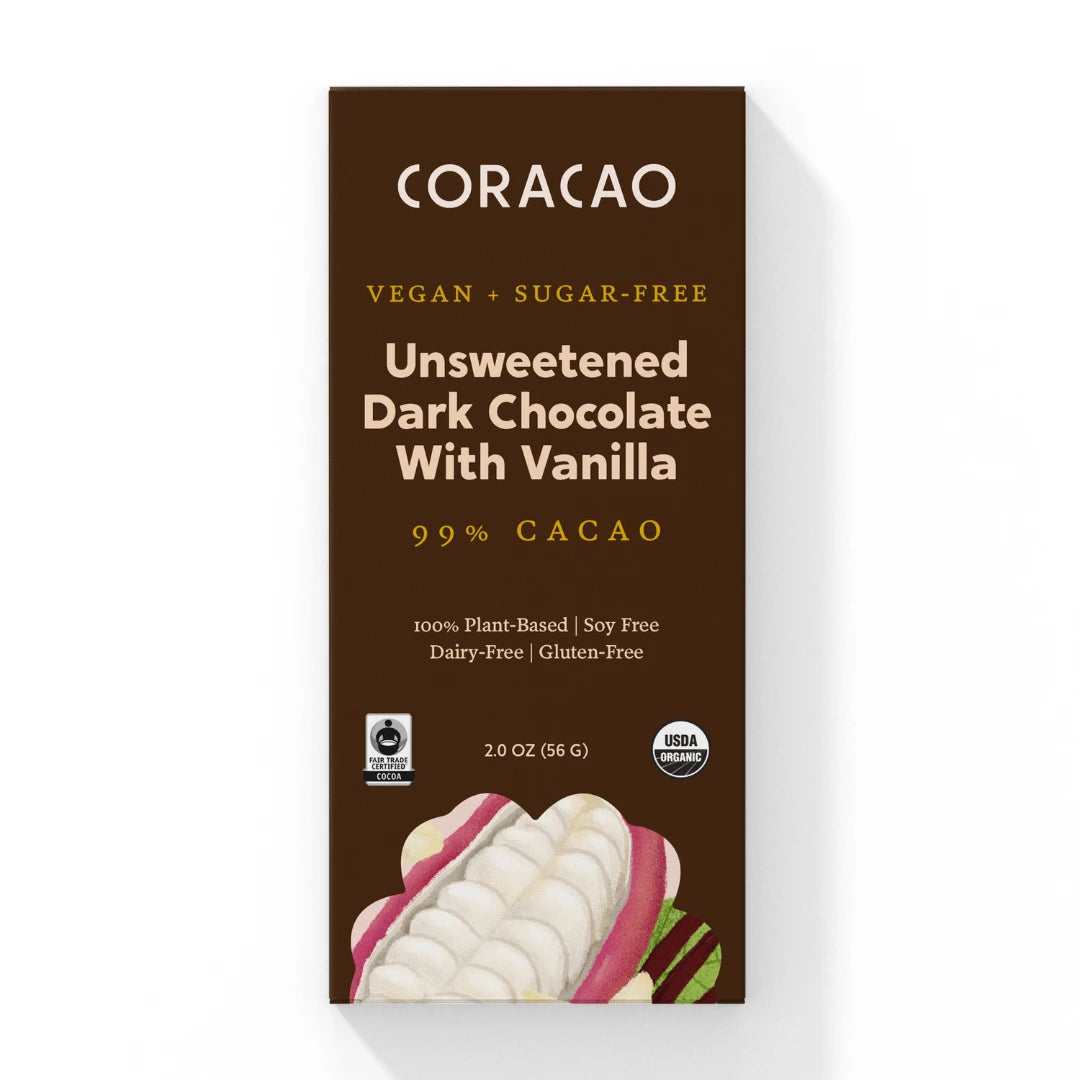
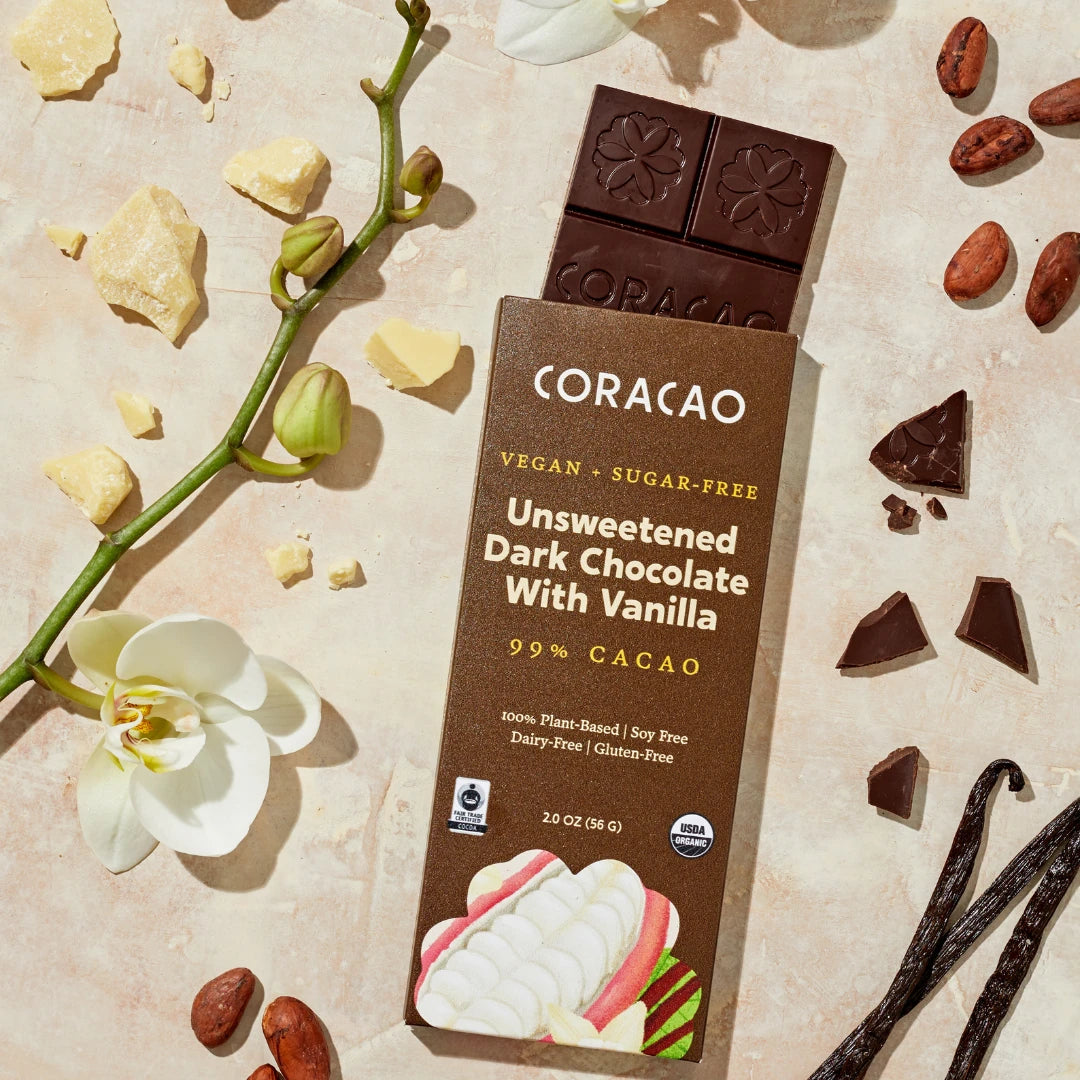
Unsweetened Dark Sugar Free Chocolate 99%
Sale priceFrom $6.50
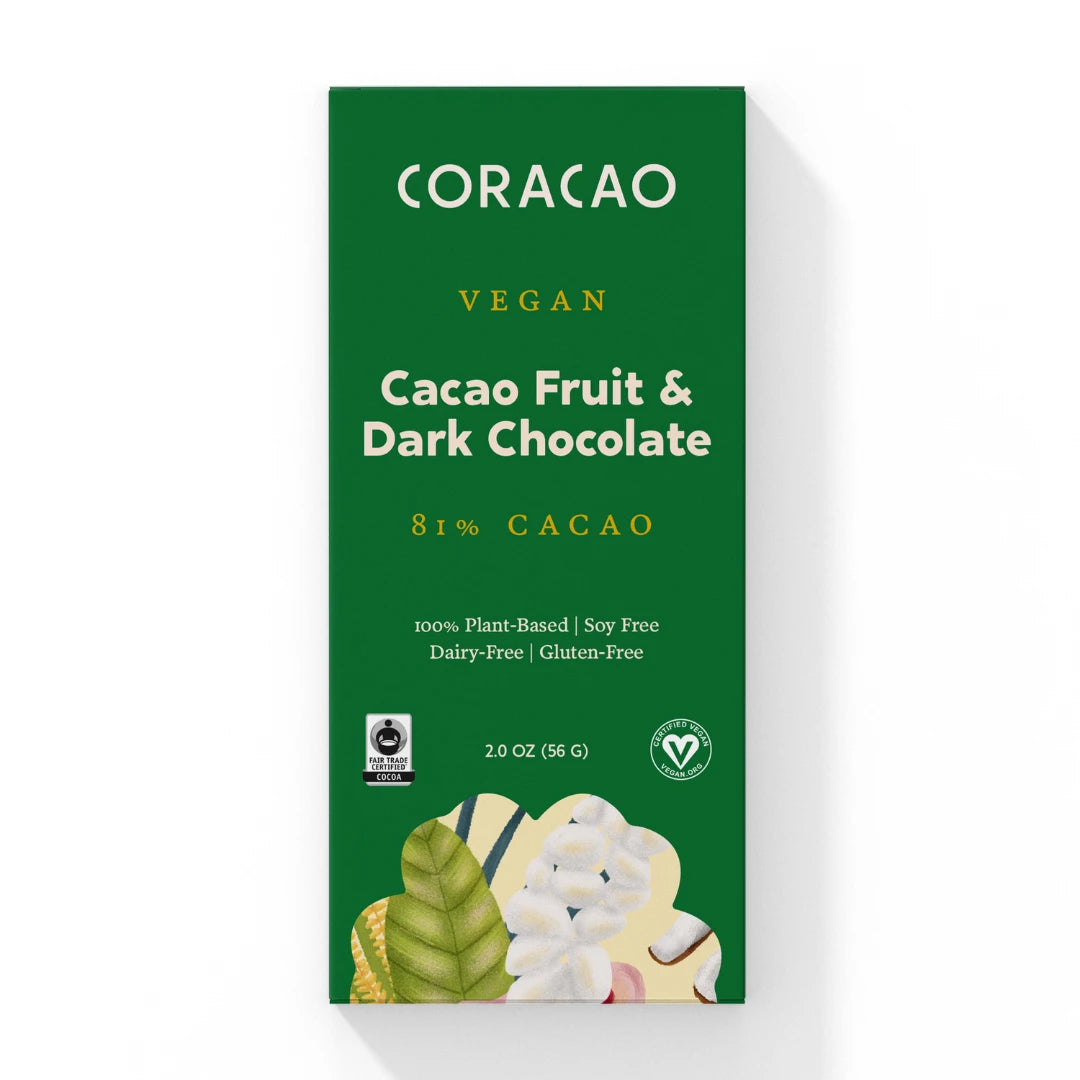
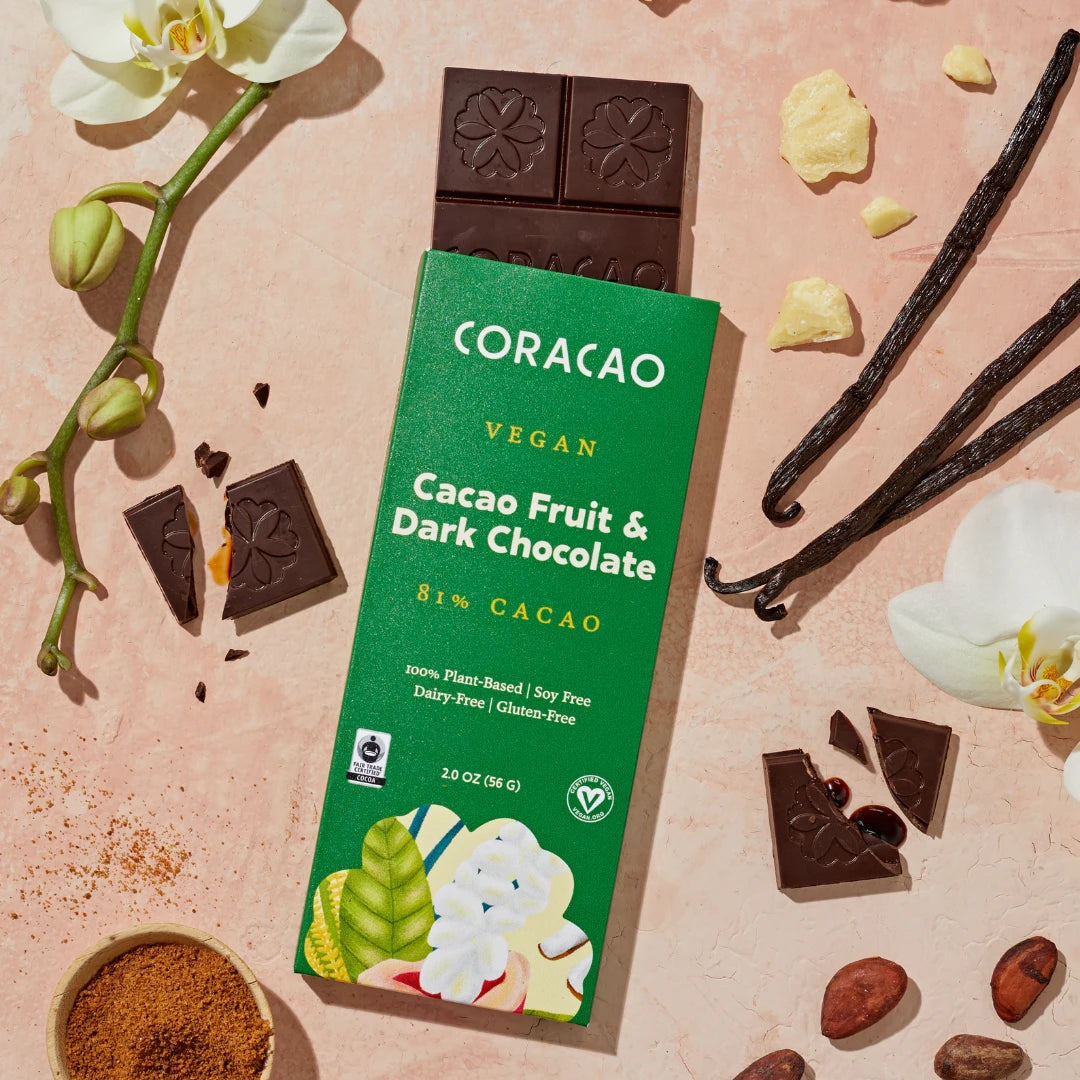
Cacao Fruit & Dark Vegan Chocolate
Sale priceFrom $6.50
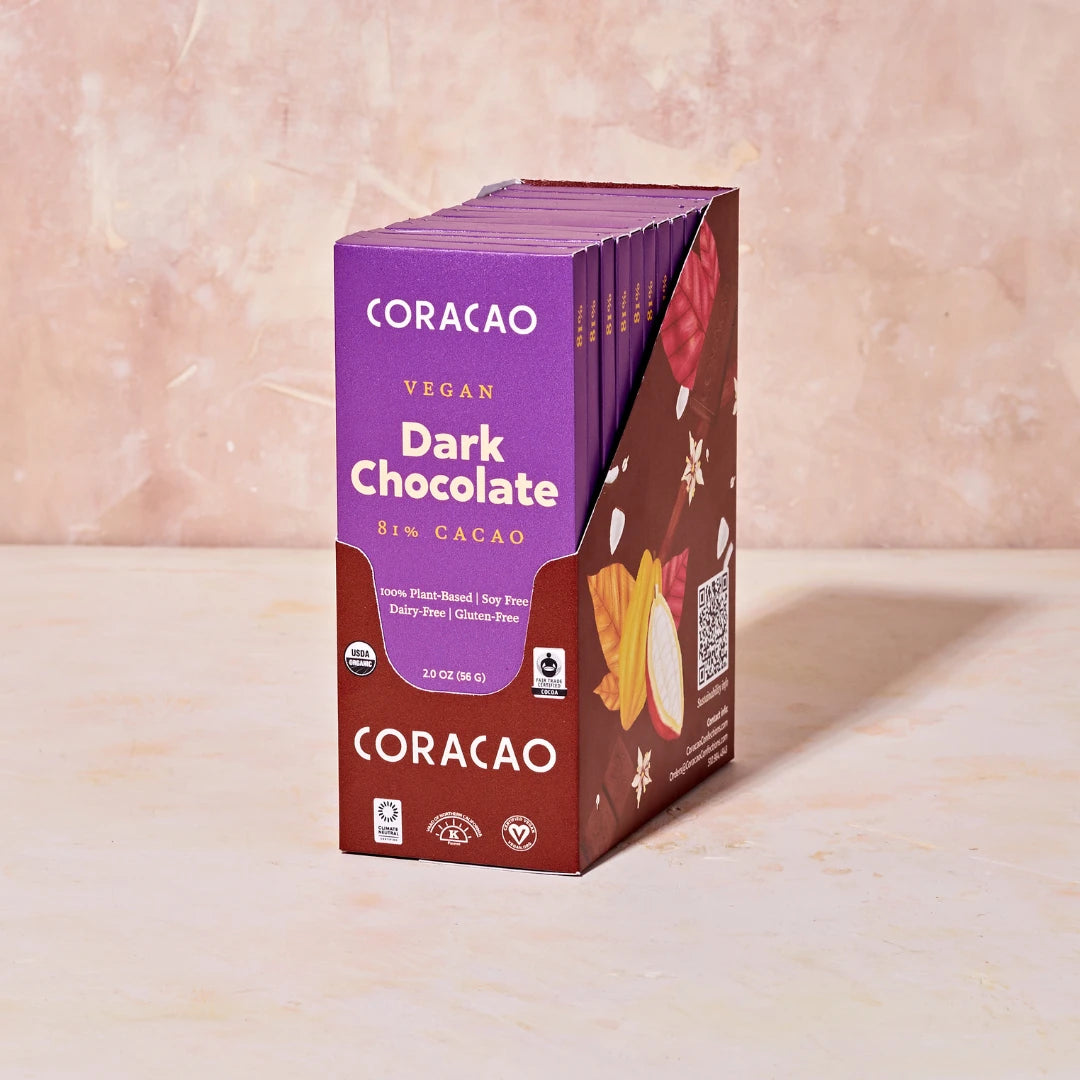
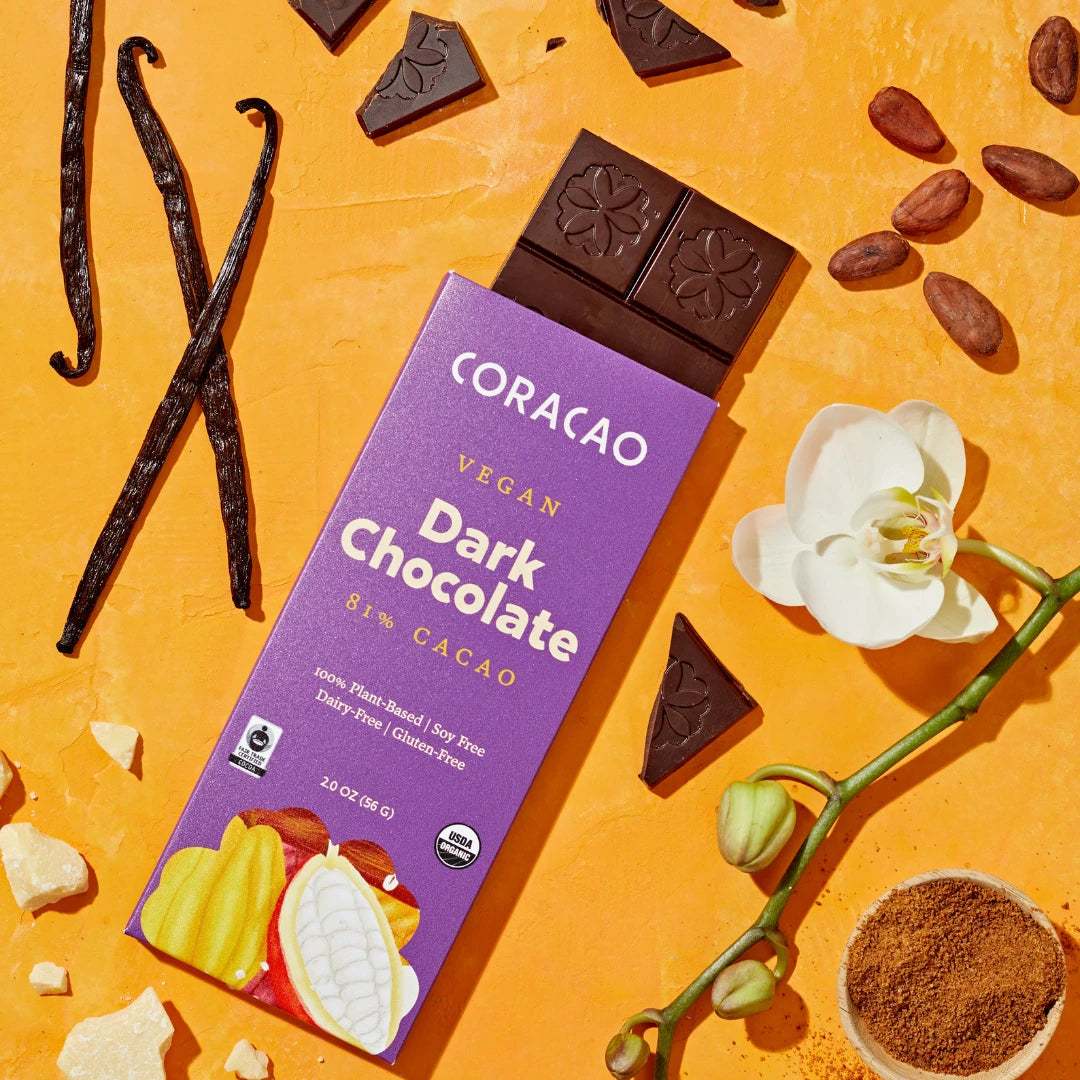
Vegan Dark Chocolate 81% (Case of 12)
Sale price$70.20
Regular price$78.00
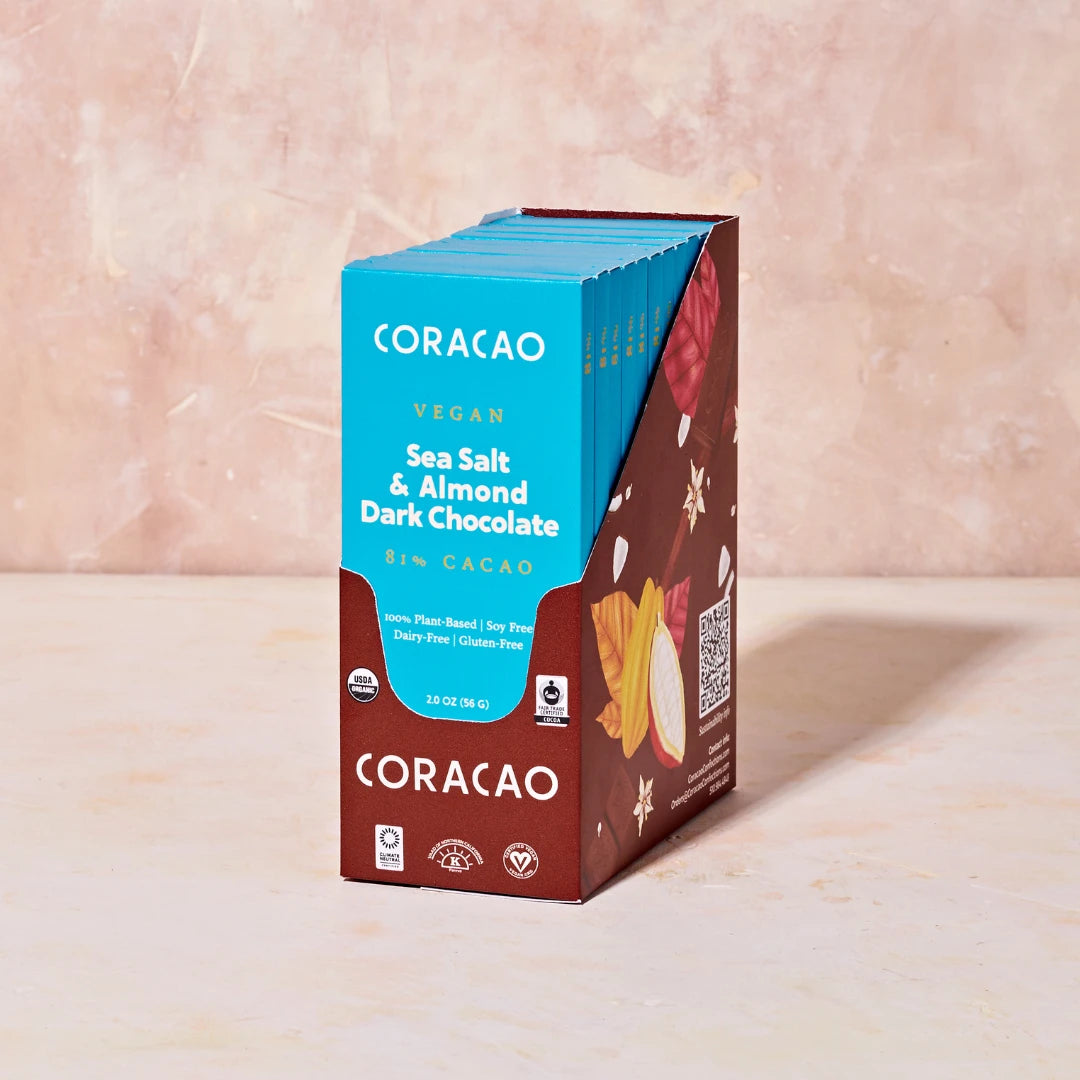
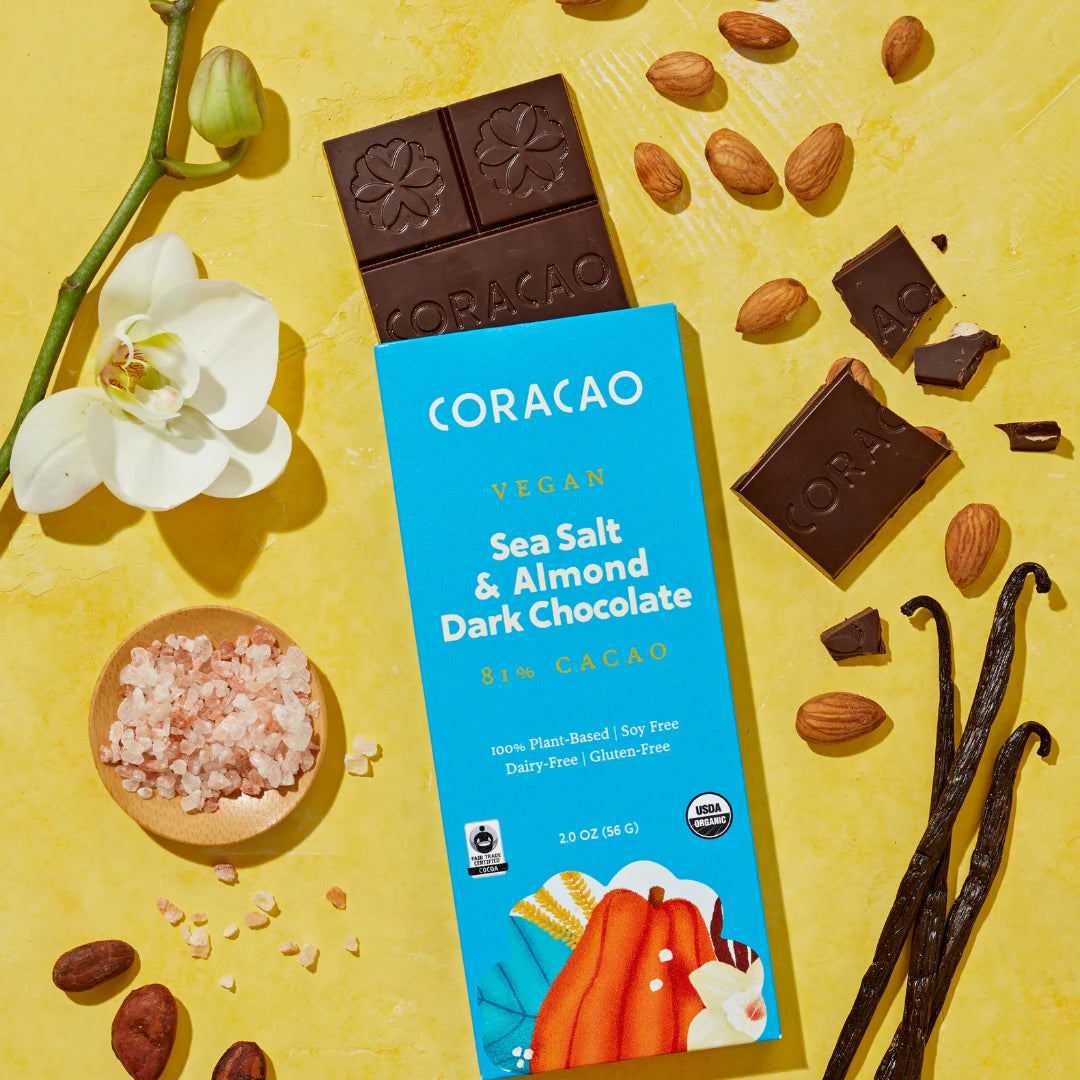
Sea Salt & Almond Vegan Chocolate 81% (Case of 12)
Sale price$70.20
Regular price$78.00
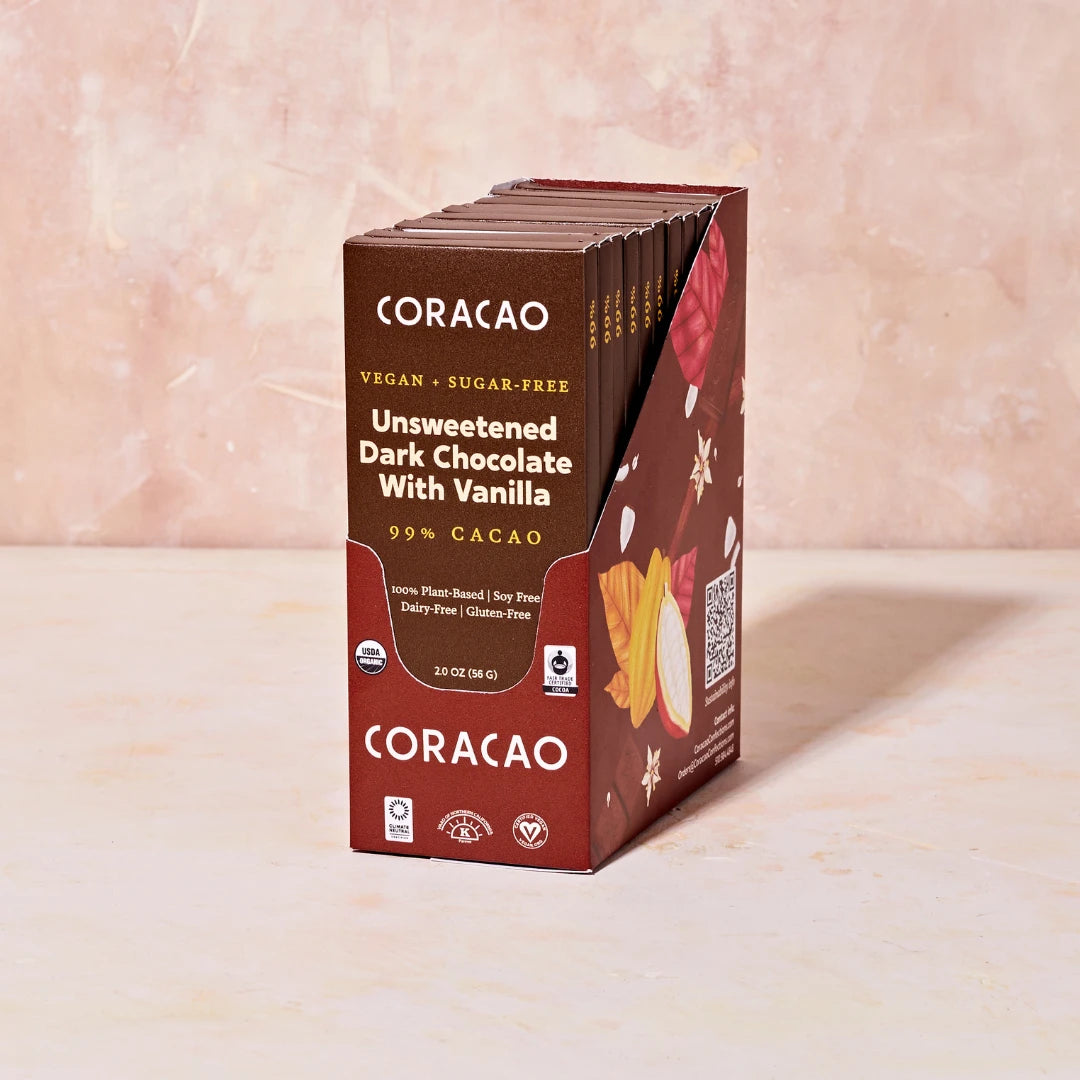
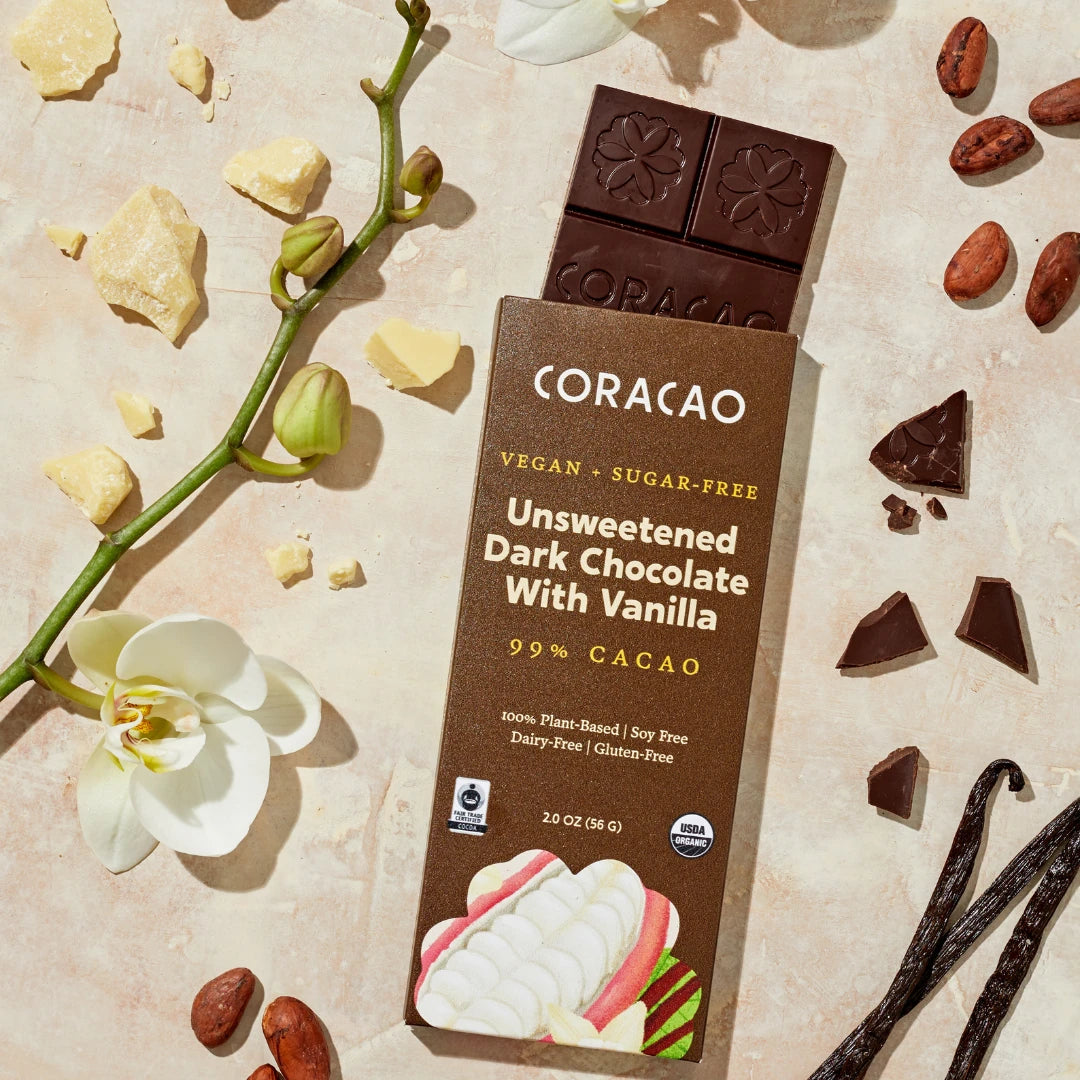
Unsweetened Dark Sugar Free Chocolate 99% (Case of 12)
Sale price$70.20
Regular price$78.00
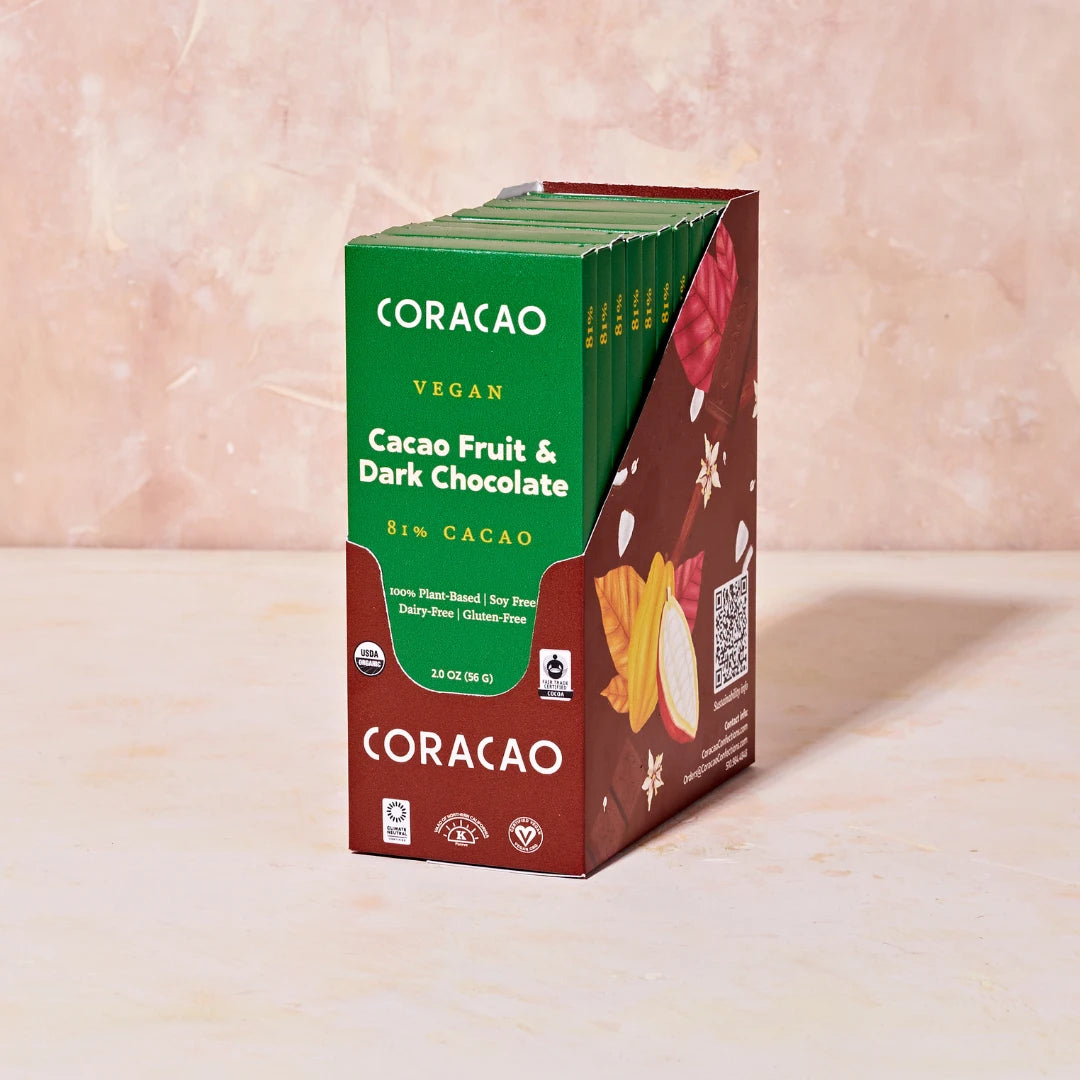
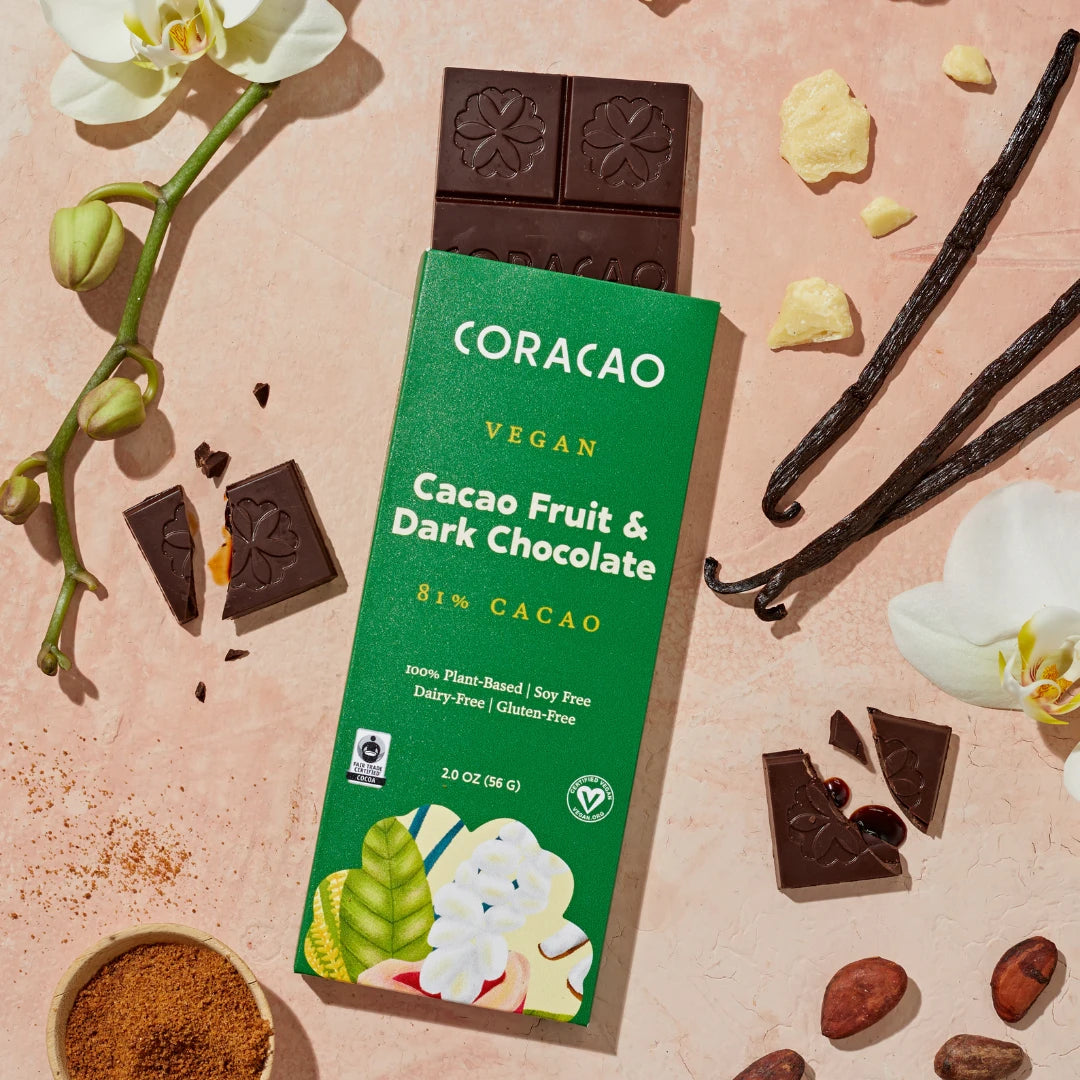
Cacao Fruit & Vegan Dark Chocolate (Case of 12)
Sale price$70.20
Regular price$78.00
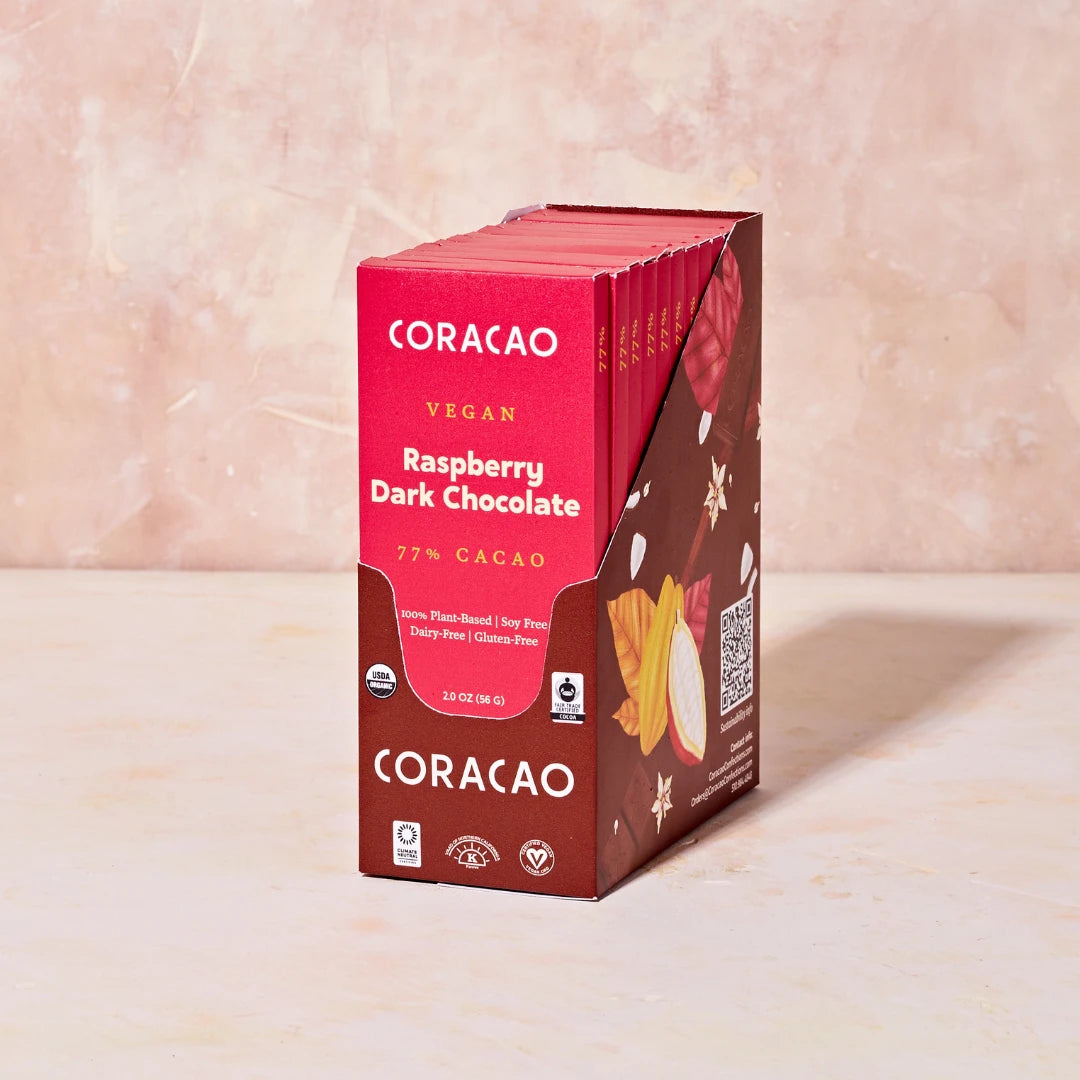
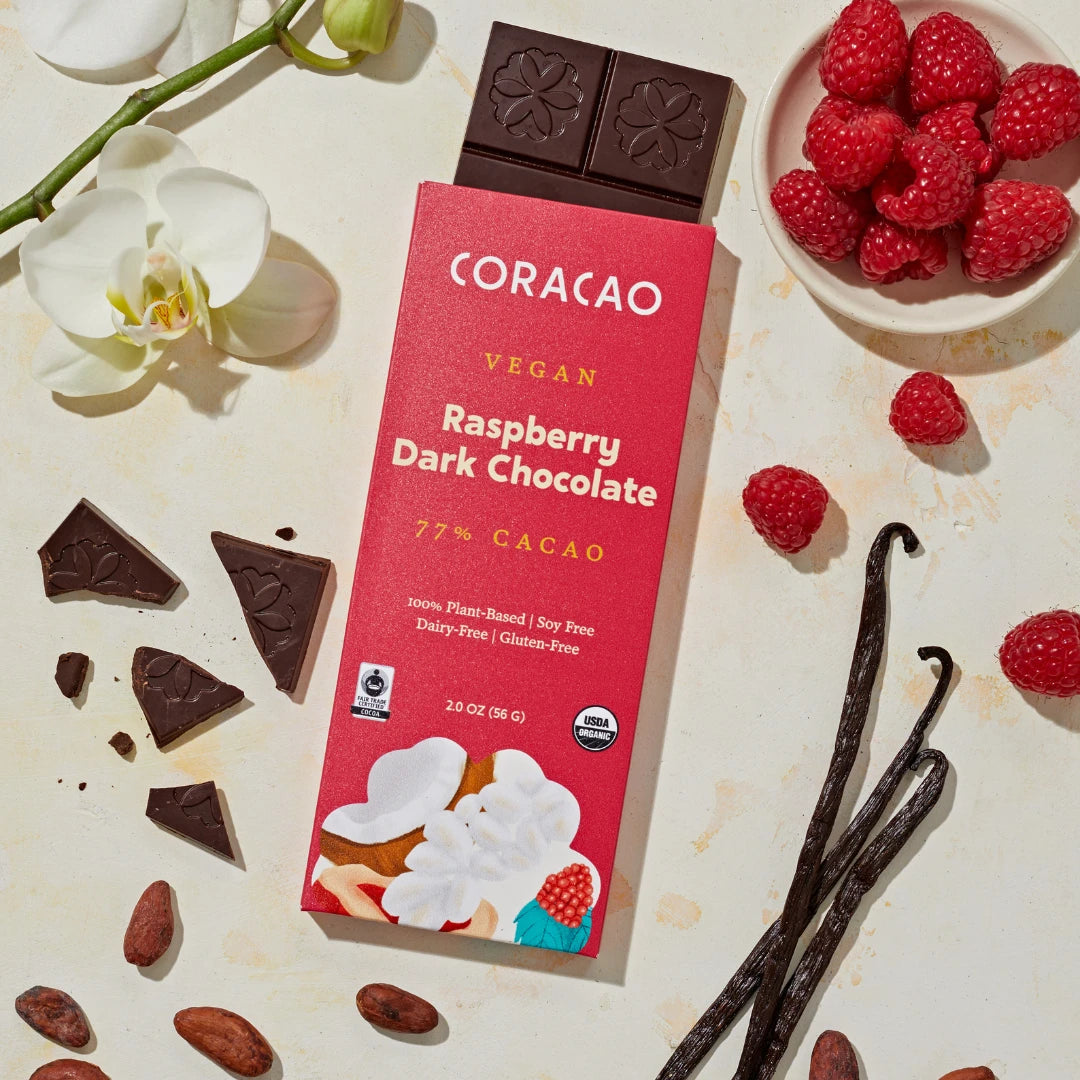
Dark Raspberry Vegan Chocolate (Case of 12)
Sale price$70.20
Regular price$78.00
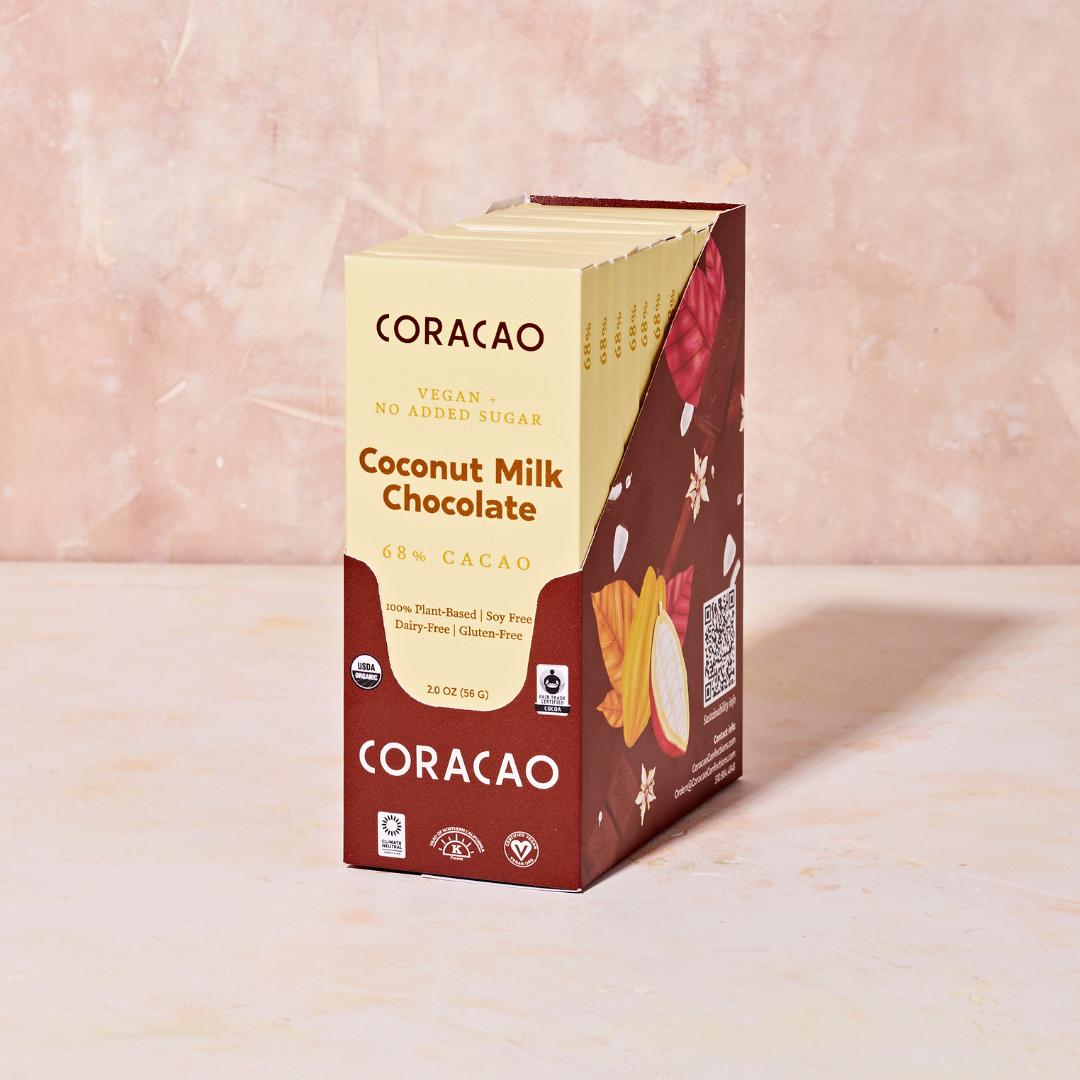
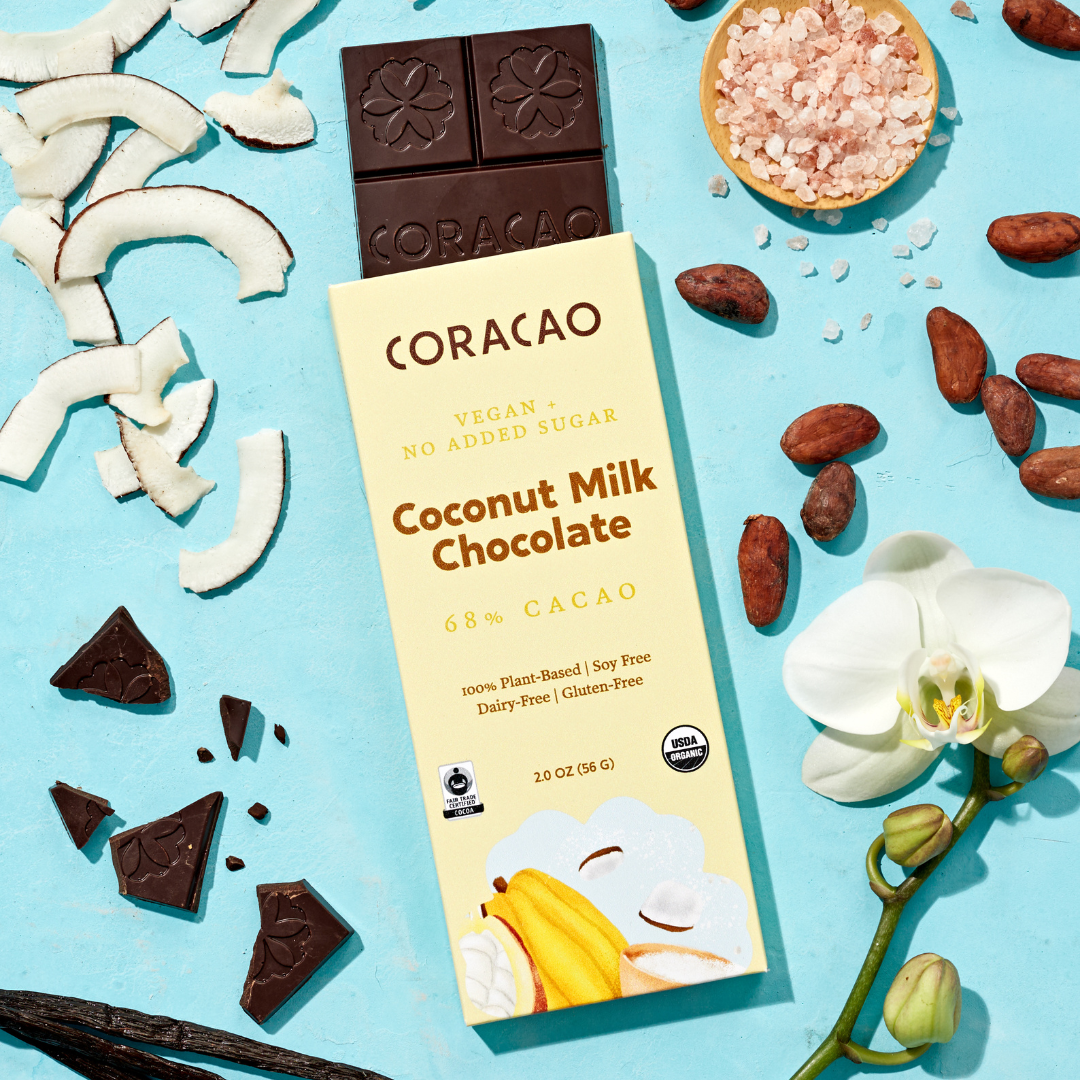
Coconut Milk Chocolate (Case of 12)
Sale price$70.20
Regular price$78.00
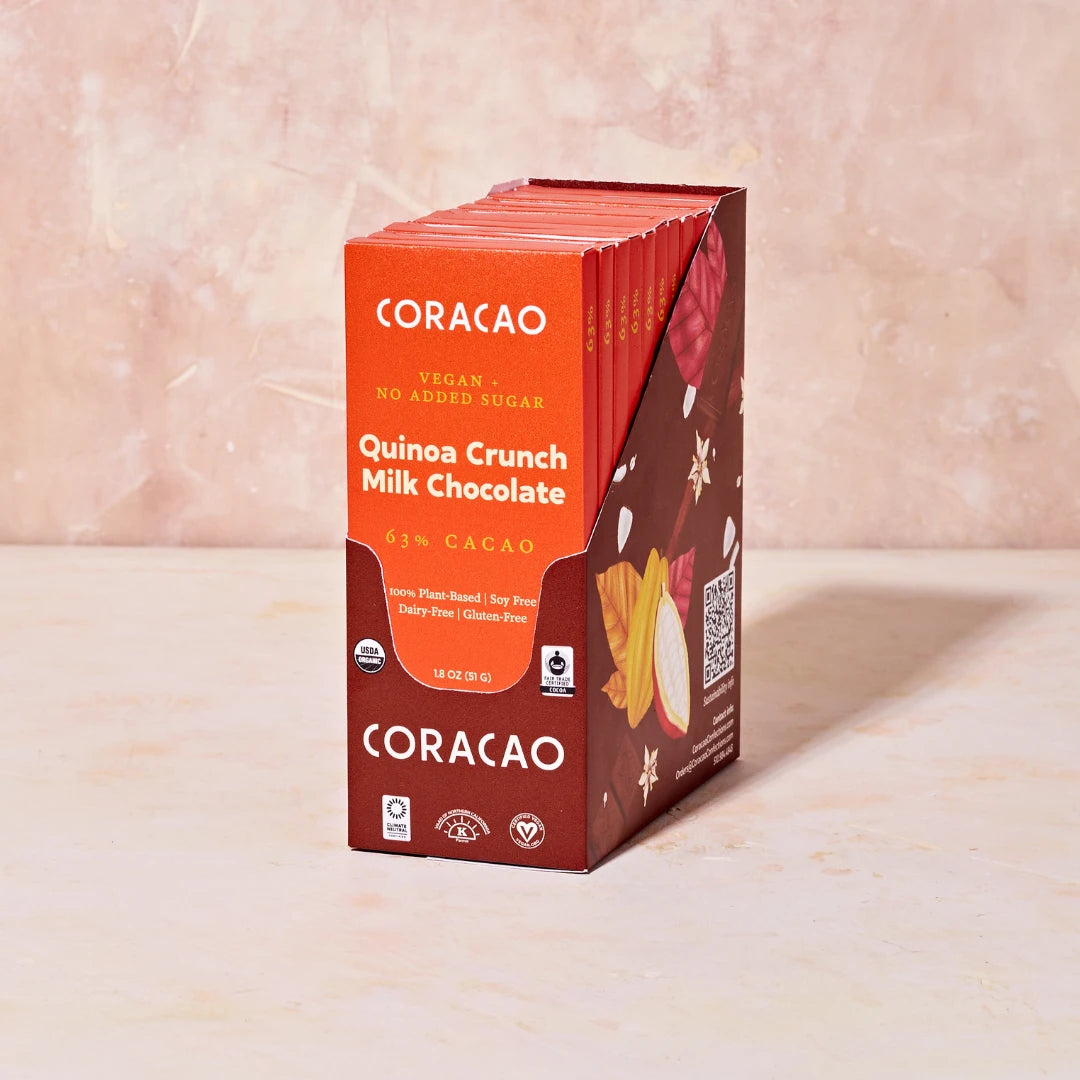
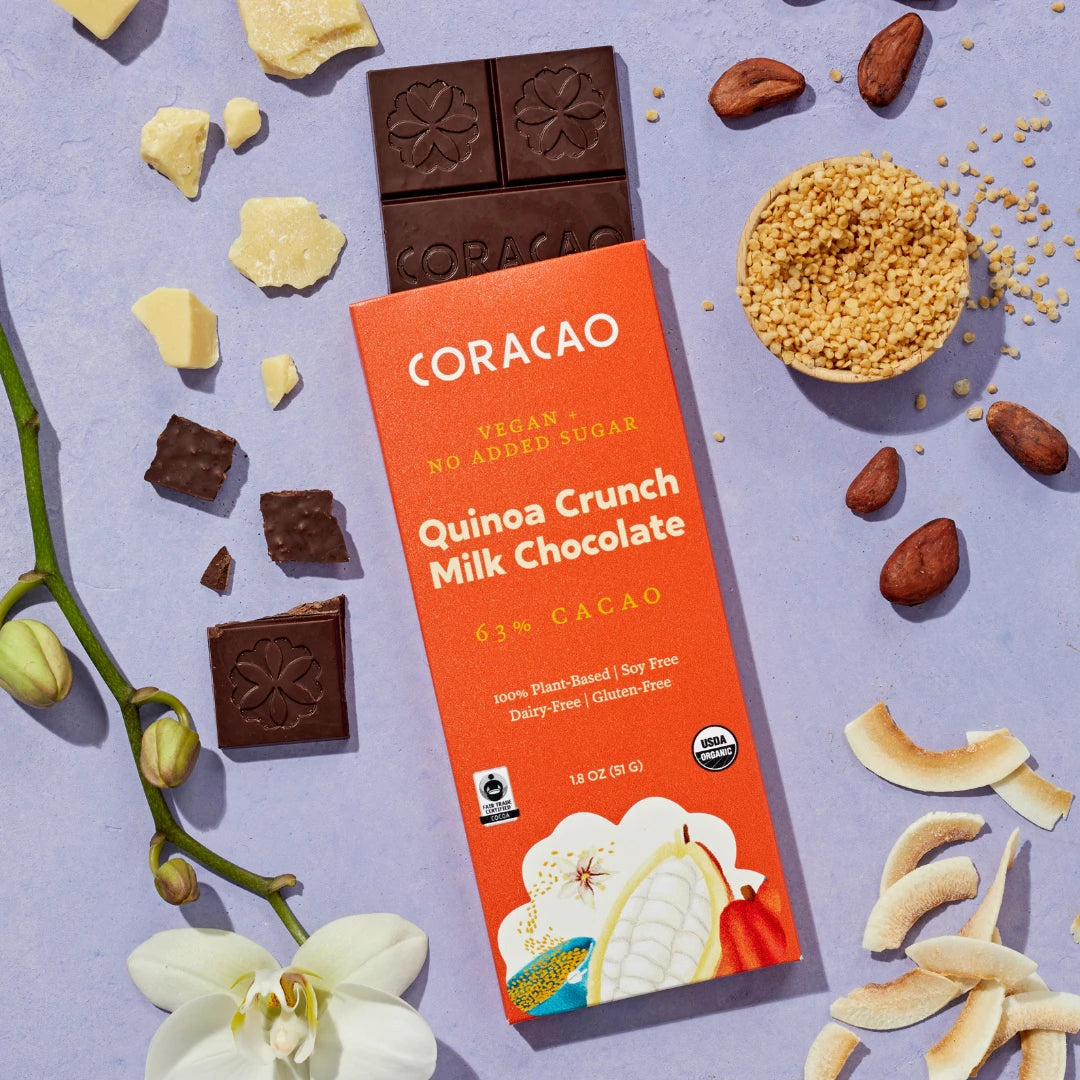
Quinoa Crunch Sugar Free Milk Chocolate (Case of 12)
Sale price$70.20
Regular price$78.00
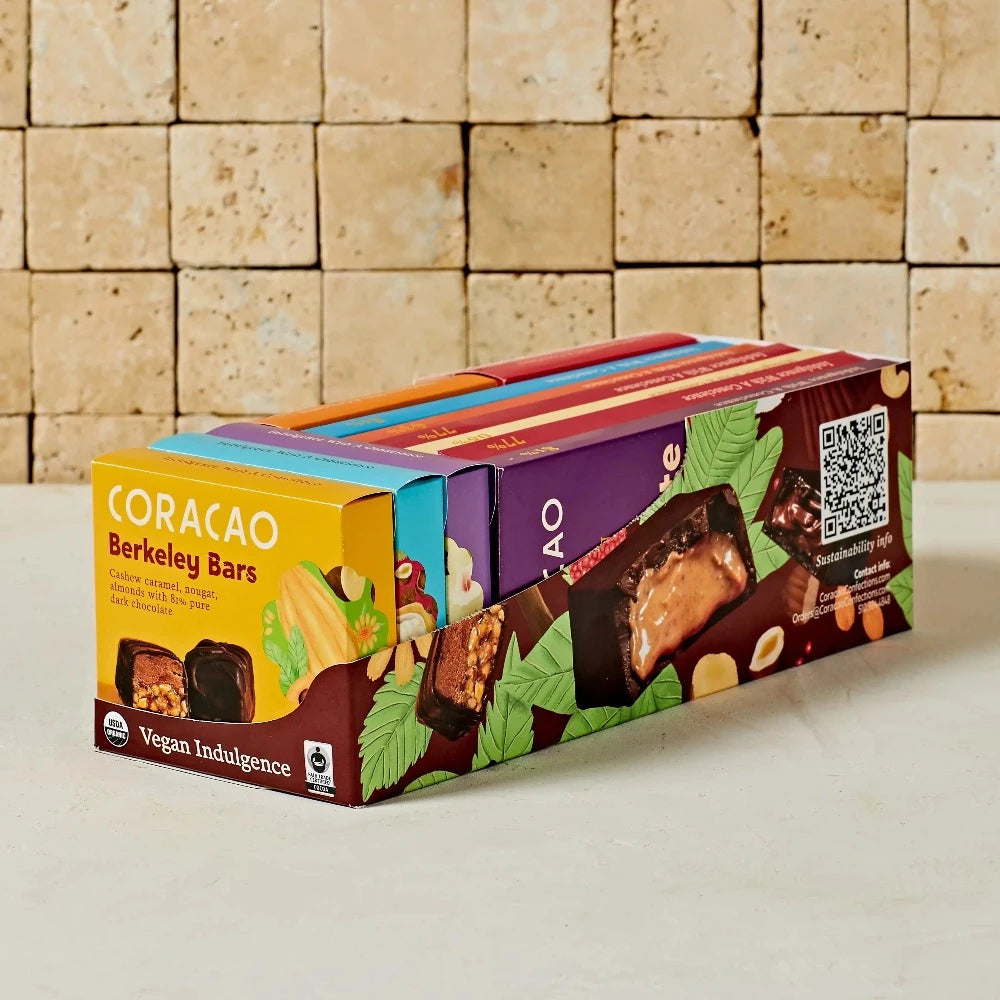
Sampler Pack (11 items)
Sale price$57.20
Regular price$71.50
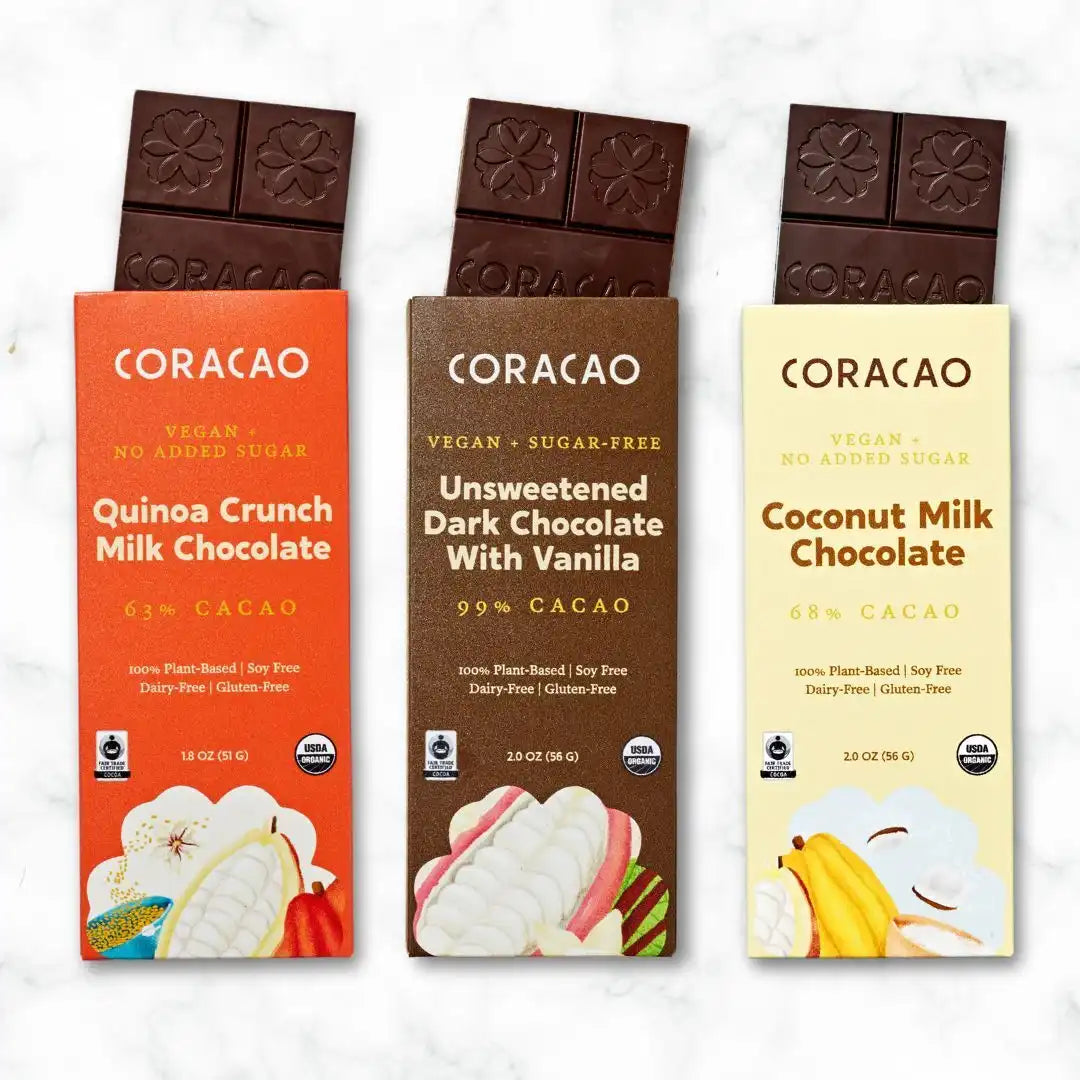
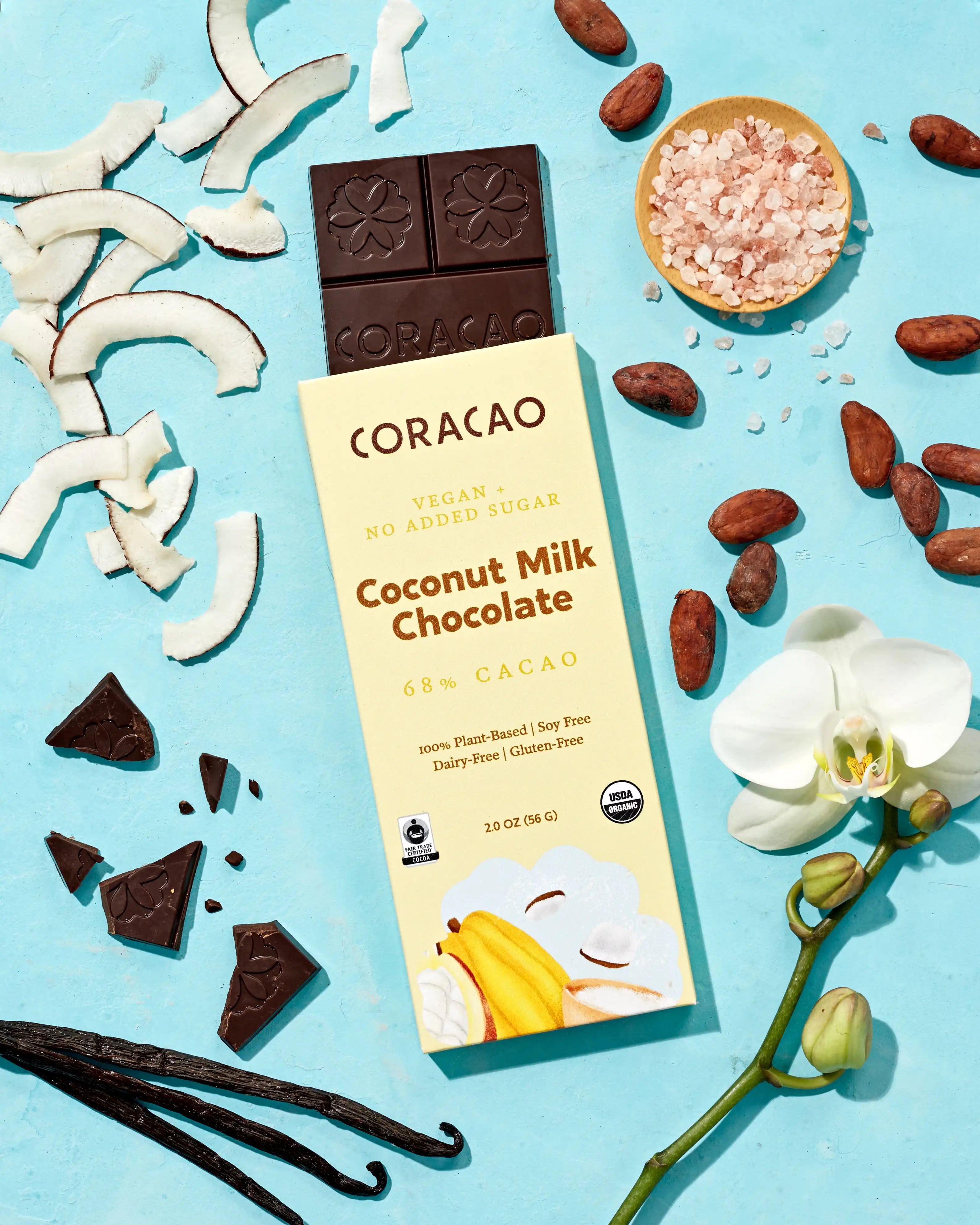
Sugar Free Chocolate Bar Bundle
Sale price$16.58
Regular price$19.50